Guatemala's Environment Ministry Identifies Over 480 Illegal Dumpsites
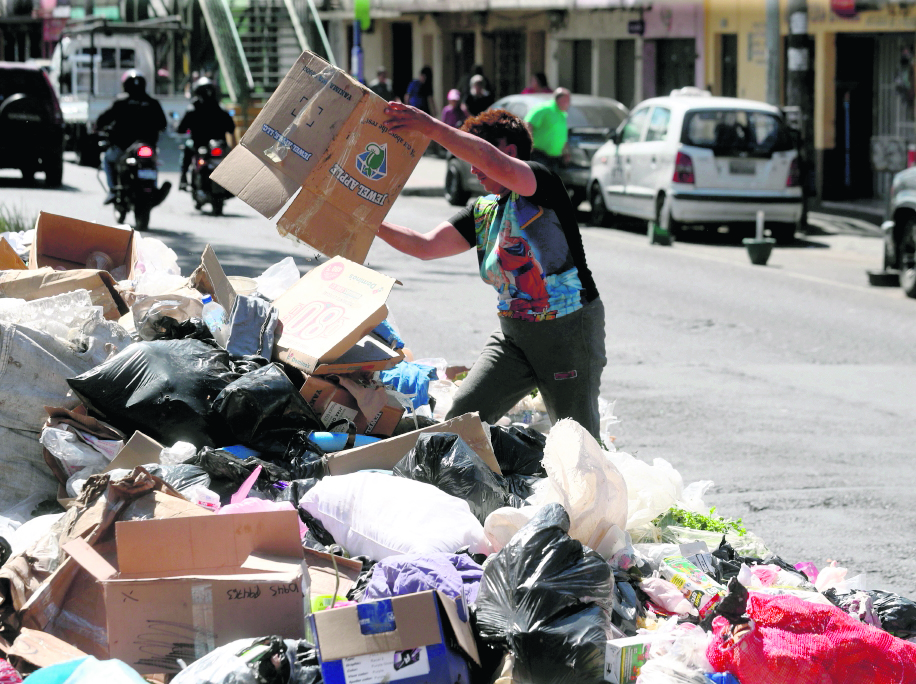
Guatemala's Ministry of Environment and Natural Resources has documented more than 480 illegal dumpsites across the country. The departments of Chiquimula, Totonicapán, and Sololá have been identified as having the highest concentrations of these unauthorized waste disposal sites. This registration highlights a significant environmental challenge facing the nation, indicating widespread issues with waste management and the improper disposal of refuse. The ministry's effort to catalog these locations is a crucial step towards addressing the problem, though specific plans for remediation or enforcement were not detailed in the report. The presence of numerous illegal dumpsites poses risks to public health and the environment, potentially contaminating soil and water sources. Further action will be needed to mitigate these impacts and establish sustainable waste management practices nationwide. The identification of these hotspots provides a basis for targeted interventions and policy development.
The identification of over 480 illegal dumpsites by Guatemala's Ministry of Environment signals a critical infrastructure gap in waste management. This situation likely reflects challenges in public service provision, regulatory enforcement, and potentially public awareness regarding proper waste disposal. Addressing this issue will require a multi-faceted approach, including investment in formal waste management facilities, strengthened environmental regulations, and community engagement programs. From a systems perspective, the prevalence of illegal dumping suggests that the current incentives and deterrents are insufficient to guide behavior towards legal and sustainable practices. Future policy should consider economic instruments, such as waste disposal fees or subsidies for recycling, alongside robust monitoring and enforcement mechanisms to discourage illegal activities and promote responsible waste management across all departments.
AI-generated to prompt reflection — not editorial opinion, not advice, not a statement of fact. How this works.