Guatemala's Fuego Volcano Erupts, Spewing Lava
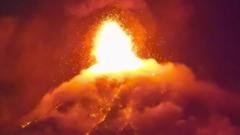
Guatemala's Fuego stratovolcano, a frequently active peak in Central America, has erupted, sending lava into the air. The volcano is known for its consistent activity and is a popular destination for hikers. This eruption highlights the ongoing geological dynamism of the region. Fuego's stratovolcanic nature means it can produce explosive eruptions, often accompanied by pyroclastic flows and ash plumes. Its location near populated areas necessitates continuous monitoring and preparedness strategies. The surrounding communities often face challenges related to ashfall and potential lahars, which are volcanic mudflows. Despite the risks, the volcano's imposing presence and geological significance continue to draw attention from scientists and adventurers alike. Understanding the patterns of Fuego's eruptions is crucial for effective disaster management and public safety.
The eruption of Guatemala's Fuego volcano underscores the inherent risks associated with living in geologically active regions. While stratovolcanoes like Fuego are known for their potential for dramatic eruptions, their consistent activity also presents ongoing challenges for local populations and authorities. Effective risk management requires robust early warning systems, clear evacuation protocols, and resilient infrastructure. The long-term challenge involves balancing the economic and cultural benefits derived from volcanic landscapes, such as tourism, with the imperative of public safety. Future strategies may benefit from integrating advanced geological monitoring with community-based preparedness programs, fostering a proactive rather than reactive approach to volcanic hazards.
AI-generated to prompt reflection — not editorial opinion, not advice, not a statement of fact. How this works.
