Guatemala's Insivumeh Reports Aftershocks Following July 17th 7.4 Magnitude Earthquake
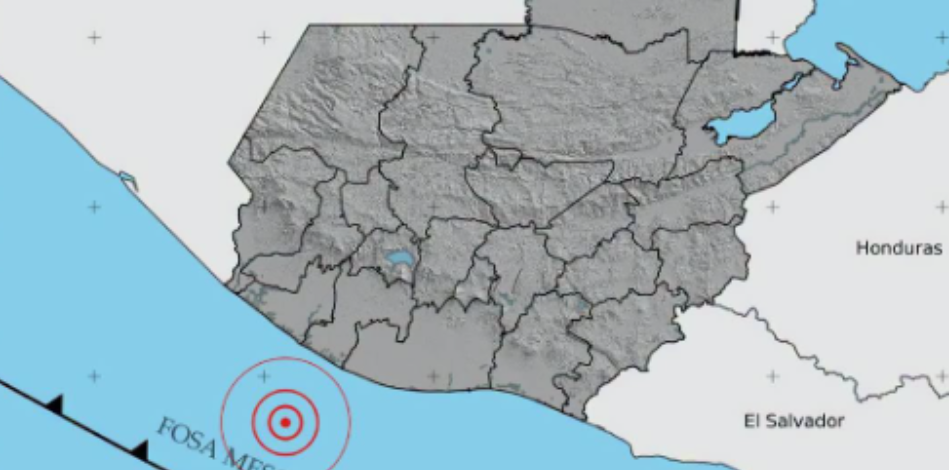
Guatemala's National Institute of Seismology, Volcanology, Meteorology, and Hydrology (Insivumeh) has provided details regarding the seismic activity that followed a powerful 7.4 magnitude earthquake on July 17th. The institute is tracking the sequence of aftershocks that have occurred since the initial significant tremor. Residents in the affected areas may have felt these subsequent seismic events. Insivumeh's ongoing monitoring is crucial for understanding the full impact of the earthquake and for public safety advisories. The institute's data will help assess the stability of the region following the major seismic event. Further analysis of the aftershock patterns can provide insights into the geological processes at play. Insivumeh continues to update information on seismic activity to inform the public and relevant authorities. The number of registered aftershocks is being meticulously recorded and analyzed.
The seismic event in Guatemala highlights the ongoing geological risks in tectonically active regions. Insivumeh's role in monitoring and reporting aftershocks is critical for public safety and scientific understanding. The frequency and magnitude of aftershocks can inform building code assessments and emergency preparedness strategies. In the context of global seismic monitoring, such events underscore the importance of robust early warning systems and international cooperation in data sharing. Future technological advancements in seismology may allow for more precise prediction of seismic sequences, potentially mitigating future risks and impacts on infrastructure and populations.
AI-generated to prompt reflection — not editorial opinion, not advice, not a statement of fact. How this works.