Guatemala's July 17th Earthquake: Duration and Aftershocks Detailed
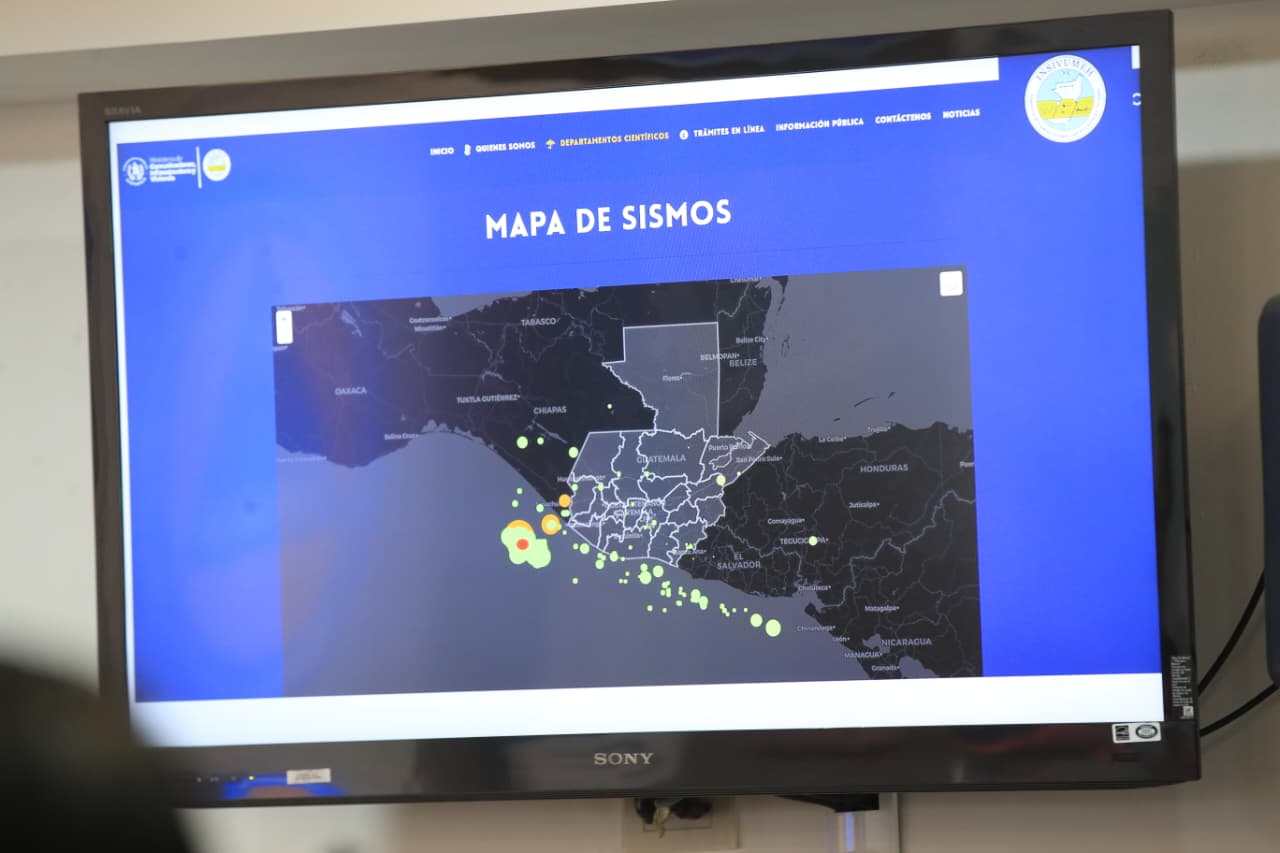
The main earthquake that struck Guatemala on the morning of July 17th was followed by more than 40 aftershocks. The Guatemalan Seismic Service provided explanations regarding the duration of the primary tremor. This seismic activity highlights the ongoing geological processes in the region. The number of aftershocks indicates a significant release of energy following the initial event. Residents experienced the shaking, and the subsequent tremors continued to be felt. The service's explanation aims to inform the public about the nature of the seismic event. Further details on the duration of the main quake were released by the official agency. The event serves as a reminder of the seismic risks present in Guatemala.
The occurrence of over 40 aftershocks following the July 17th earthquake in Guatemala suggests a substantial seismic energy release and potential for ongoing instability in the region's fault systems. The Guatemalan Seismic Service's explanation of the main tremor's duration aims to provide clarity and reduce public anxiety. Understanding the patterns and intensity of seismic events, including aftershocks, is crucial for developing effective disaster preparedness and mitigation strategies. Future geological assessments may focus on the specific fault lines responsible and their historical activity to better predict potential risks and inform urban planning and building codes in seismically active zones.
AI-generated to prompt reflection — not editorial opinion, not advice, not a statement of fact. How this works.