Guatemala's Nightlife: Booming Bars and Clubs Face Youth Safety Risks
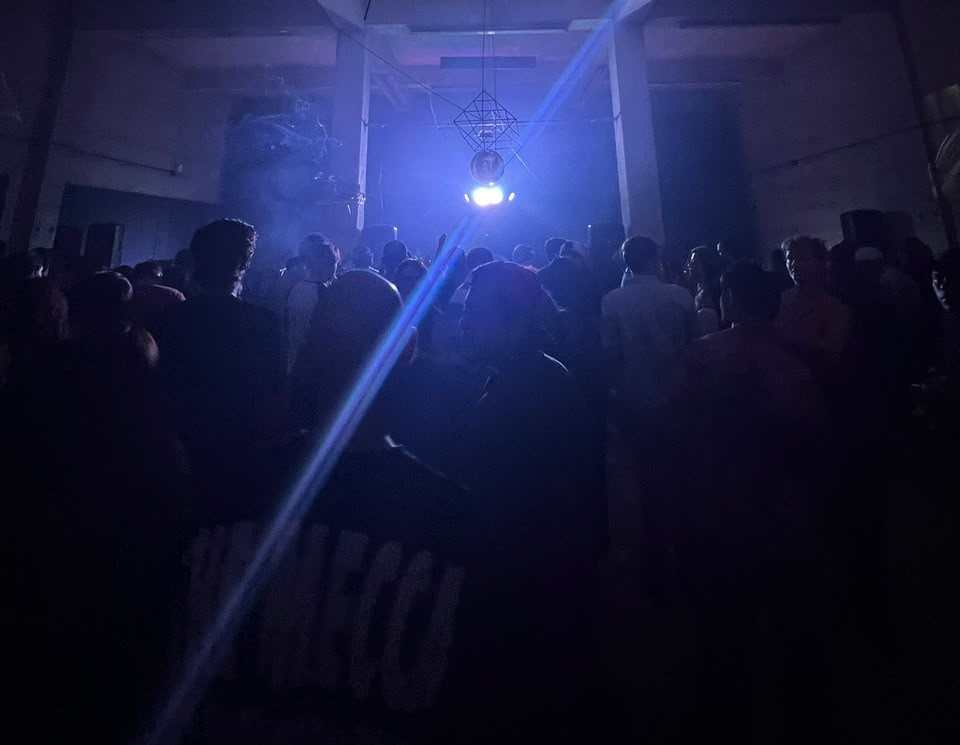
Young people in Guatemala are increasingly drawn to the vibrant nightlife scene, with a surge in bars and discotecas offering diverse music and entertainment options. This trend is partly fueled by a perceived lack of alternative cultural and recreational activities available to them. While the nightlife offers a space for social interaction and enjoyment, it also presents persistent risks for young attendees. The appeal of these venues highlights a demand for social outlets, but the associated dangers remain a significant concern. The growth in the number of establishments suggests a dynamic entertainment sector, yet the safety of patrons, particularly young adults, requires careful consideration. The absence of other readily accessible leisure activities pushes more youth towards these nightlife options. This situation underscores a need for both expanded recreational opportunities and enhanced safety measures within the existing entertainment venues to mitigate potential harms.
The expansion of Guatemala's nightlife, characterized by a rise in bars and discotecas, reflects a societal demand for social and recreational spaces, particularly among youth. This growth, occurring in the context of limited alternative cultural and recreational options, suggests that nightlife venues are filling a significant void. However, the persistent risks associated with these environments necessitate a balanced approach. Policymakers and venue operators face the challenge of fostering a thriving entertainment sector while prioritizing public safety. Future considerations should include exploring strategies to diversify youth engagement beyond nightlife, potentially through public-private partnerships for accessible cultural programs and recreational facilities. This would not only address safety concerns but also contribute to a more well-rounded developmental environment for young Guatemalans, aligning with broader societal goals of youth empowerment and well-being.
AI-generated to prompt reflection — not editorial opinion, not advice, not a statement of fact. How this works.