Guatemalan Congress Approves Removal of Housing Tax, Retains It for Commercial Properties
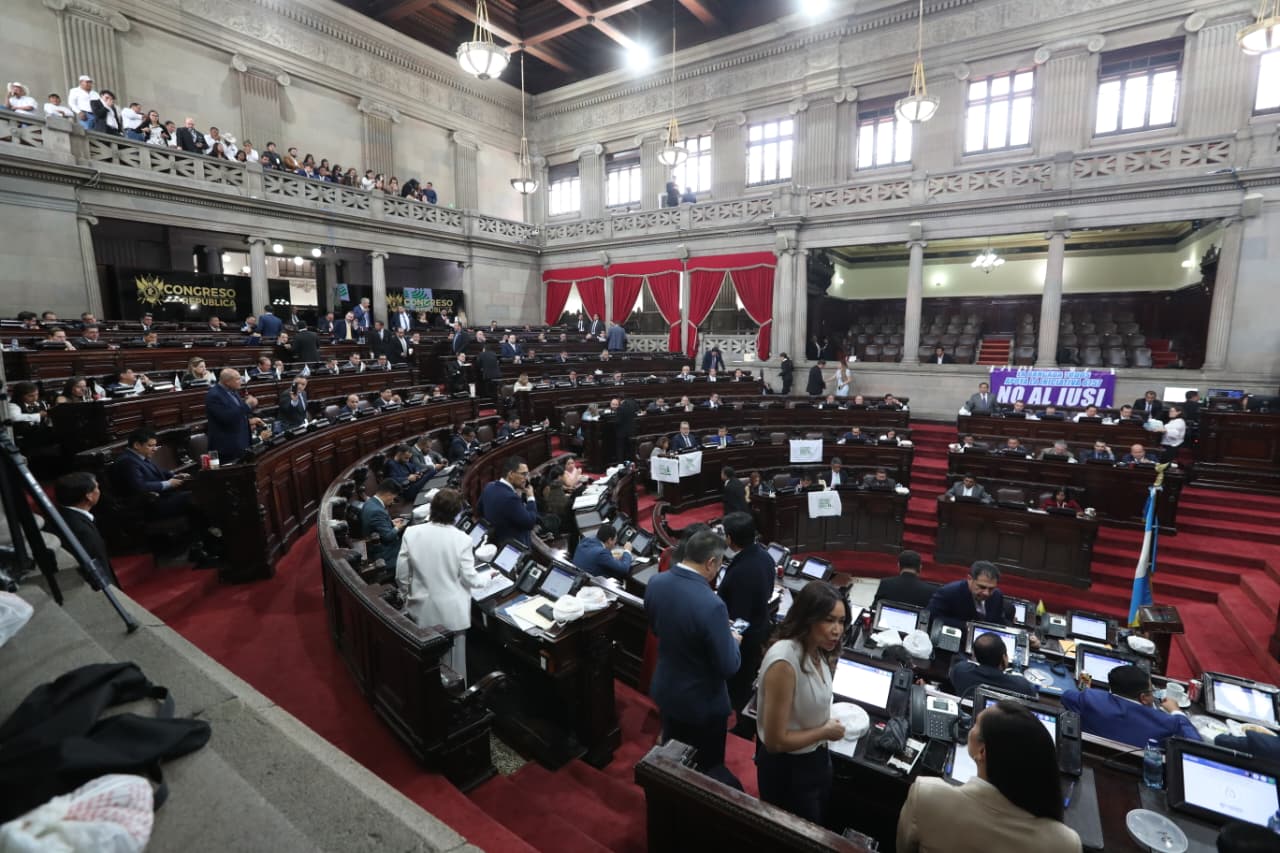
Guatemalan deputies have reached an agreement to eliminate the Impuesto Único Sobre Inmuebles (IUSI), or Single Property Tax, specifically for private residences. This decision marks a significant shift in property taxation policy within the country. The legislative decree will now be sent to the President of the Republic for final sanction and enactment into law. The IUSI is a tax levied on real estate, and its removal for residential properties is expected to provide financial relief to homeowners. However, the tax will continue to be applied to commercial properties, indicating a differentiated approach to taxation based on property use. This move aims to stimulate the housing market and potentially ease the financial burden on individuals and families. The finalization of this decree is pending presidential approval.
The Guatemalan Congress's decision to eliminate the IUSI for residential properties while maintaining it for commercial ones reflects a policy choice aimed at stimulating the real estate market and potentially easing household financial burdens. This differential taxation strategy could incentivize residential development and homeownership. However, it also raises questions about the long-term impact on municipal revenues, which often rely on property taxes. The government will need to monitor the economic effects, including potential shifts in investment from commercial to residential sectors, and ensure that the reduction in tax revenue does not compromise essential public services. This policy could be viewed as a short-term economic stimulus measure, but its sustainability and broader fiscal implications warrant careful consideration over the next decade, especially as the nation navigates evolving economic landscapes and potential technological shifts impacting property valuation and usage.
AI-generated to prompt reflection — not editorial opinion, not advice, not a statement of fact. How this works.