Guatemalan Constitutional Court Faces Scrutiny Over University Rector Election Dispute
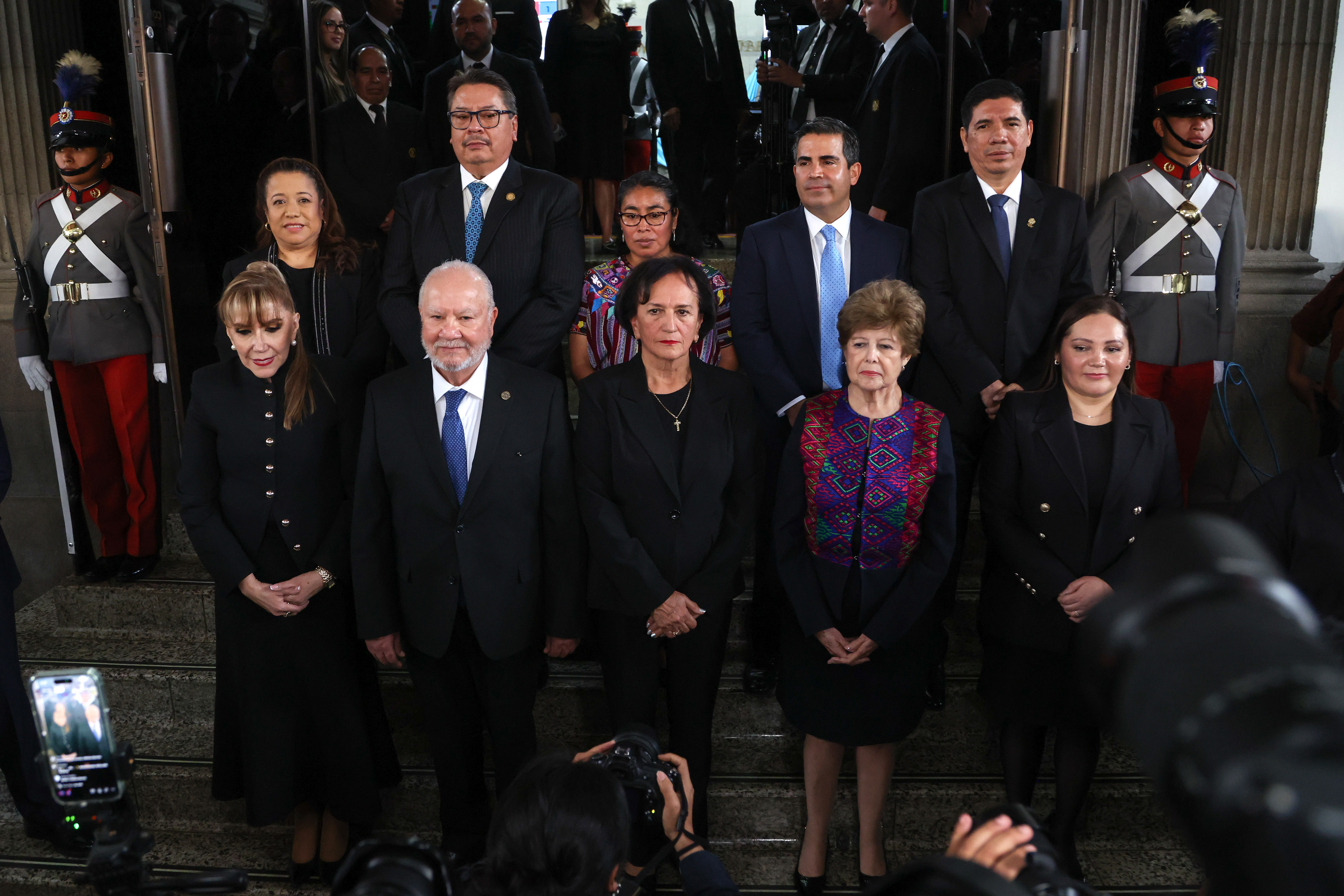
The dispute over the election of the rector at Universidad de San Carlos de Guatemala (Usac) has intensified, revealing potential divisions within the Constitutional Court (CC). According to Usac-DIRE, the president of the CC did not schedule legal actions that could have halted Walter Mazariegos's continuation as Usac's rector. This inaction has led to increased pressure and highlighted internal disagreements within the court regarding the handling of the electoral controversy. The situation underscores the complex legal and political dynamics surrounding leadership appointments at Guatemala's prominent public university. The CC's role in mediating such disputes is under examination, with questions arising about its effectiveness and impartiality in upholding university autonomy and electoral integrity. The ongoing conflict suggests a need for clearer protocols and potentially a review of the CC's procedural mechanisms to prevent future stalemates and ensure fair electoral processes.
The controversy surrounding the Usac rector election and the Constitutional Court's alleged inaction points to systemic challenges in higher education governance and judicial oversight in Guatemala. The situation may reflect tensions between institutional autonomy and external legal frameworks, potentially influenced by political pressures or differing interpretations of legal mandates. Examining the CC's procedural efficiency and decision-making timelines is crucial for understanding how such disputes are managed and their impact on public institutions. Moving forward, clarifying the CC's responsibilities and establishing robust mechanisms for electoral dispute resolution could strengthen public trust and ensure the stability of academic leadership.
AI-generated to prompt reflection — not editorial opinion, not advice, not a statement of fact. How this works.