Guatemalan Court Urges Congress to Reform Plea Bargain Rules for Victim Reparations
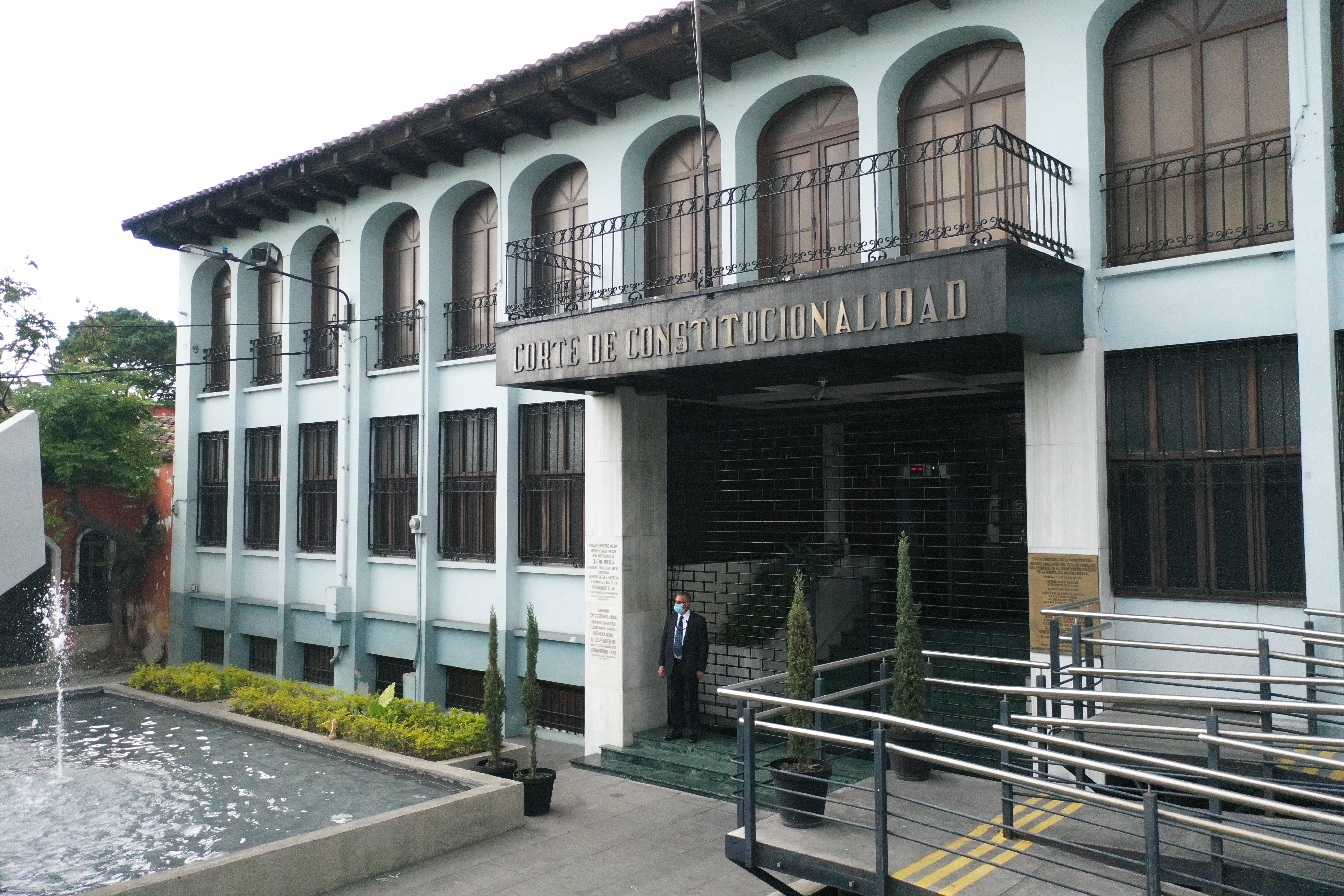
The Constitutional Court (CC) of Guatemala has identified a legal loophole that prevents victims from appealing decisions concerning "dignified reparations" when a defendant accepts charges. This situation arises because current law does not allow for appeals in such cases, leaving victims without recourse. The CC has determined that this constitutes a legal vacuum and has formally called upon the Congress of Guatemala to address the issue. Specifically, the court is urging legislative reform of the Code of Criminal Procedure. The proposed changes aim to incorporate an appeals process for victims regarding reparation awards, even when the accused has entered a guilty plea. This initiative seeks to ensure that victims' rights to compensation and restitution are adequately protected within the legal framework.
The Constitutional Court's directive highlights a potential systemic conflict between the efficiency of plea-bargaining processes and the fundamental right of victims to seek adequate reparation. By identifying a "legal vacuum," the court is signaling that the current legislative framework may inadvertently disempower victims in the pursuit of justice, particularly in cases where defendants opt for expedited resolutions. This situation prompts consideration of how legal systems can balance the state's interest in efficient case processing with the imperative to uphold victims' rights to restitution and fair compensation. Future reforms may need to explore mechanisms that allow for judicial review of reparation awards in plea agreements, ensuring that the principle of 'dignified reparations' is consistently applied, regardless of the procedural path taken in a criminal case.
AI-generated to prompt reflection — not editorial opinion, not advice, not a statement of fact. How this works.