Guatemalan Government Seeks Court Intervention Over "Simultaneous" Congressional Interrogations
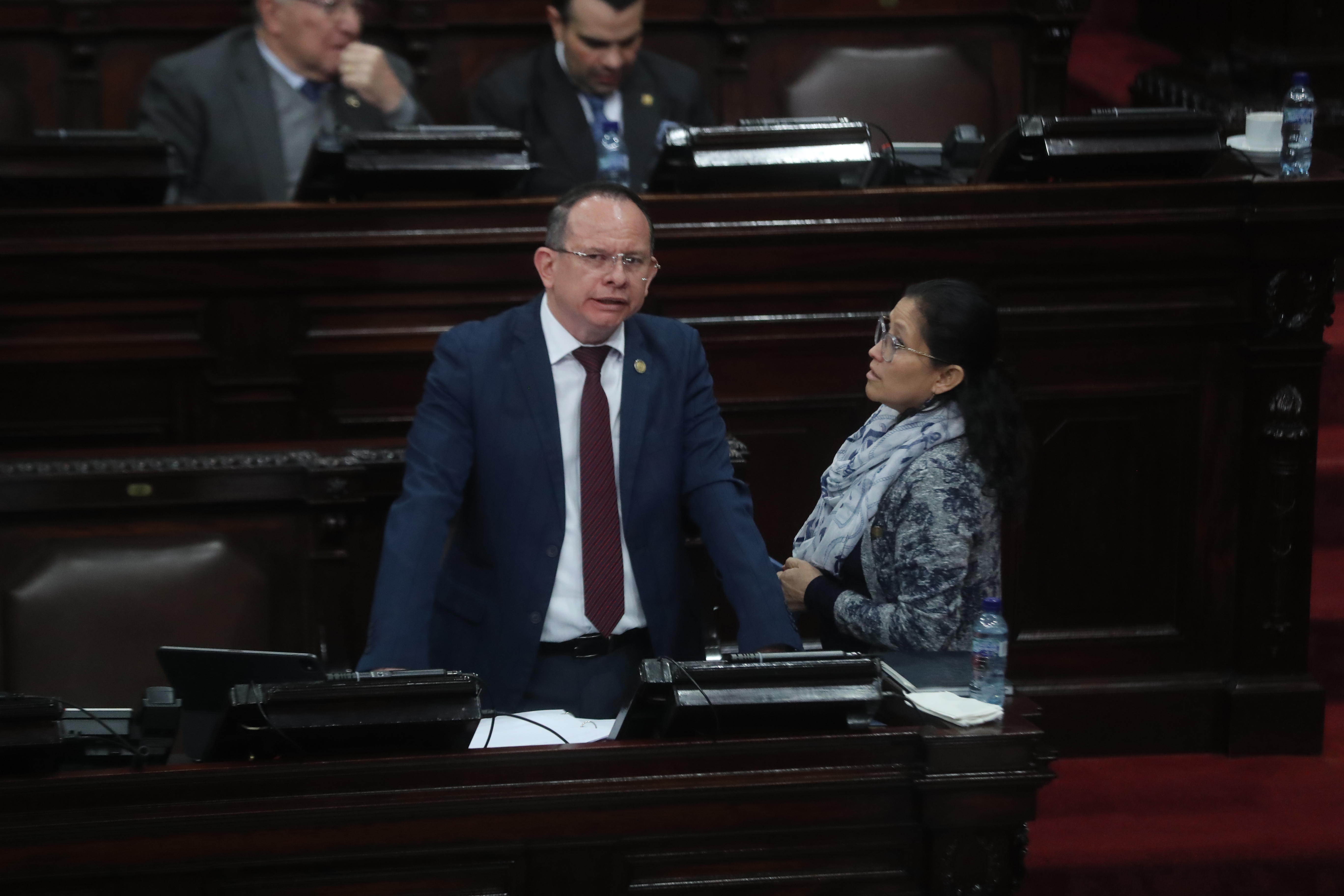
The Guatemalan government has filed an "action of protection" with the Constitutional Court (CC) to prevent the Congress from scheduling "simultaneous" interrogations of ministers. The Executive Branch argues that such a measure would paralyze the functioning of the Executive Organism. This legal challenge aims to halt the practice of multiple ministers being summoned for questioning by the legislature at the same time. The government's position is that this approach is unworkable and detrimental to the day-to-day operations of government ministries. The filing with the CC represents an attempt to seek judicial review and a potential injunction against the congressional procedure. The outcome of this case could set a precedent for future interactions between the legislative and executive branches in Guatemala.
The Guatemalan government's recourse to the Constitutional Court highlights a potential structural tension between legislative oversight and executive functionality. By seeking to prevent "simultaneous" interrogations, the Executive appears to be signaling concerns about its operational capacity and the efficiency of governance when faced with concurrent demands from Congress. This situation invites consideration of optimal mechanisms for inter-branch communication and accountability that do not unduly impede administrative duties. Future legislative frameworks might explore staggered interpellations or defined protocols to balance the imperative for transparency with the necessity of sustained government operations, particularly in the context of evolving governance challenges.
AI-generated to prompt reflection — not editorial opinion, not advice, not a statement of fact. How this works.