Guatemalan President Jorge Serrano Elías Resigns Amidst Political Crisis
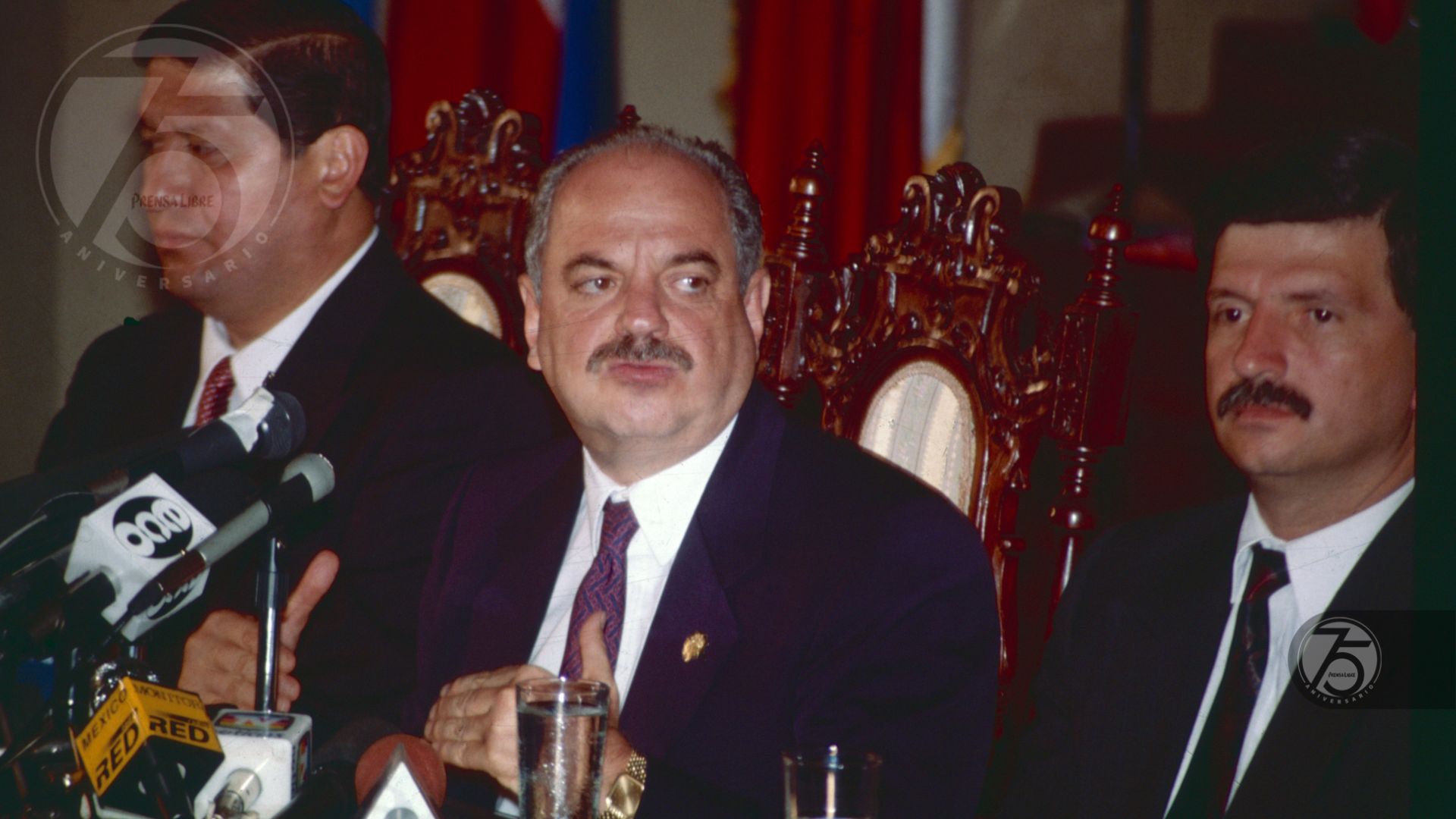
On June 1, 1993, Guatemalan President Jorge Serrano Elías resigned from his position, just six days after declaring an unconstitutional self-coup. The Constitutional Court had previously ruled against his actions. Serrano's resignation marked the end of a significant political upheaval in Guatemala. The country faced a period of uncertainty following these events. The constitutional court's intervention underscored the importance of judicial checks and balances in the nation's governance. Serrano's departure from power was a direct consequence of the legal and political challenges to his authority. This period highlighted the fragility of democratic institutions when faced with executive overreach. The events of June 1993 had lasting implications for Guatemala's political landscape.
The events of June 1993 in Guatemala illustrate a critical juncture where executive authority clashed with constitutional governance. President Serrano Elías's attempted self-coup, swiftly deemed unconstitutional by the judiciary, demonstrates the inherent tension between presidential power and the rule of law. The subsequent resignation underscores the effectiveness of institutional checks and balances, particularly the judiciary, in safeguarding democratic principles against authoritarian tendencies. Looking ahead, such episodes highlight the ongoing need for robust institutional frameworks and public vigilance to prevent future executive overreach and ensure political stability in the digital age, where information control can be a potent tool.
AI-generated to prompt reflection — not editorial opinion, not advice, not a statement of fact. How this works.