Guatemalan Presidential Election to Test Alliance Dynamics for New CGC
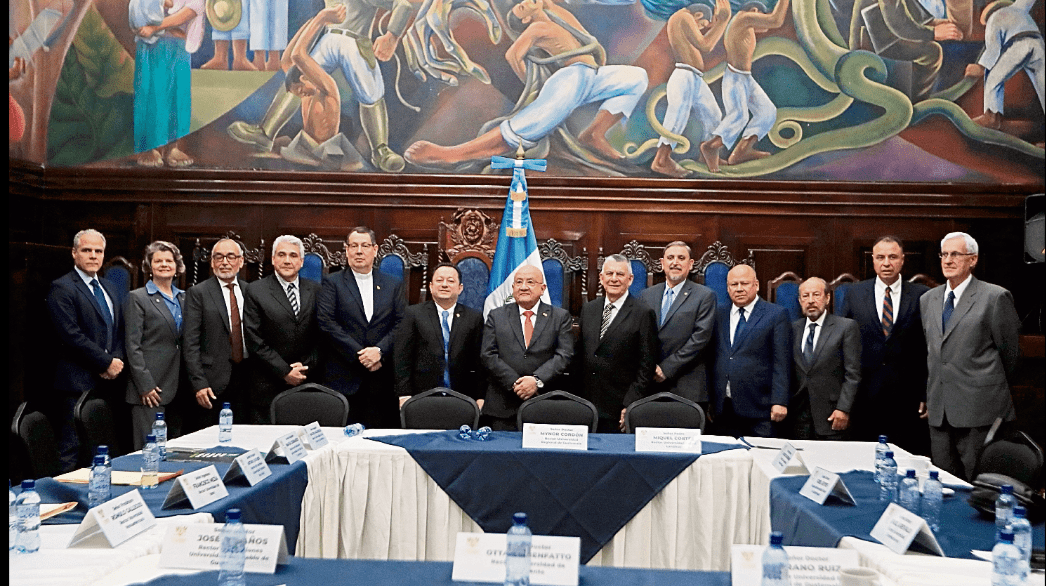
The upcoming election for the presidency of the Guatemalan Constituent Assembly (CGC) is expected to reveal the strength and nature of political alliances. Observers are closely monitoring the race, particularly concerning potential candidates' ties to Walter Mazariegos. Although Mazariegos has reportedly stated he will not seek the presidency himself, concerns remain about his influence. The key issue for observers is ensuring that the newly elected president of the CGC has no existing connections to Mazariegos or to the University of San Carlos (Usac). This election is seen as a critical juncture for assessing the political landscape and the formation of future coalitions within Guatemala.
The upcoming election for the CGC presidency serves as a crucial indicator of Guatemala's evolving political alliances. The emphasis on a candidate's independence from figures like Walter Mazariegos and institutions such as Usac suggests a public demand for governance perceived as less influenced by established, potentially entrenched interests. This dynamic reflects a broader trend where voters seek transparency and a break from past associations, aiming to foster a more meritocratic and accountable leadership. The outcome will likely shape future political strategies and the formation of coalitions, highlighting the ongoing tension between traditional power structures and the push for reform in the region.
AI-generated to prompt reflection — not editorial opinion, not advice, not a statement of fact. How this works.