Guggenheim Museum Among 31 NYC Buildings with Cooling Towers Linked to Legionnaires' Outbreak
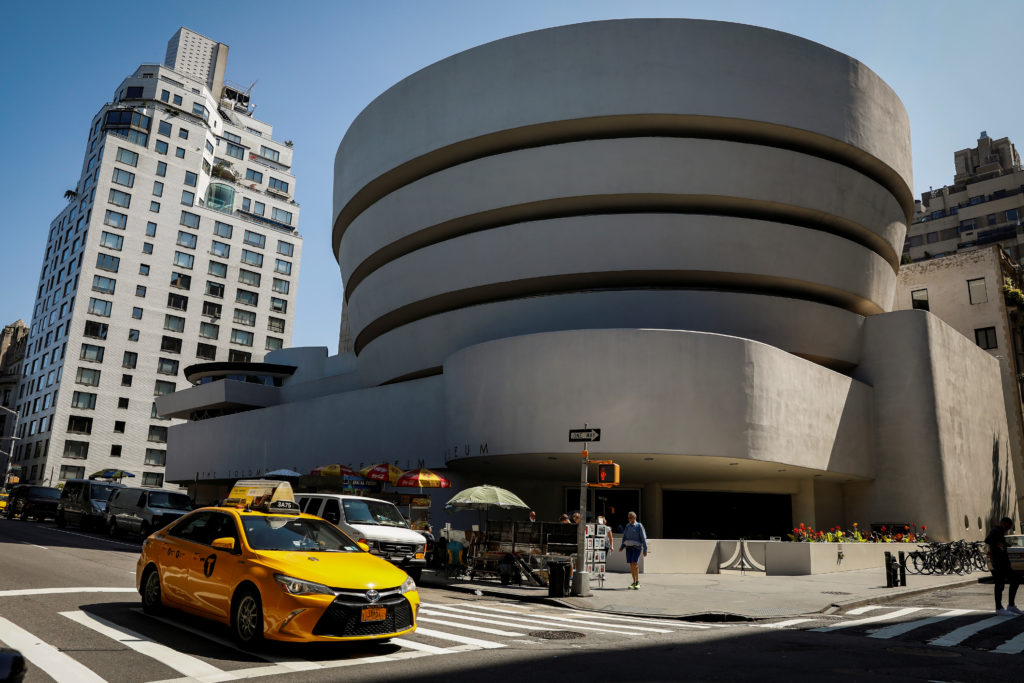
New York City's health department has identified 31 buildings on the Upper East Side that are required to clean and disinfect their cooling towers. This action comes as the city grapples with a recent outbreak of Legionnaires' disease. The Guggenheim Museum was among the facilities listed by the health department on Friday. The directive aims to curb the spread of the bacteria responsible for the illness. Legionnaires' disease is a severe form of pneumonia caused by the Legionella bacteria. These bacteria can proliferate in water systems, particularly in warm, stagnant conditions found in cooling towers. The health department's proactive measure targets these potential sources to mitigate further transmission. Residents in affected areas are advised to be aware of the situation and follow any public health guidance. The city is working to contain the outbreak and prevent additional cases. Cleaning and disinfection protocols are crucial in managing such public health threats originating from building infrastructure.
This situation highlights the critical intersection of urban infrastructure and public health. The mandatory cleaning of cooling towers in 31 buildings, including a prominent cultural institution like the Guggenheim Museum, underscores the potential for large-scale health risks stemming from common building systems. The city's response, while reactive to an outbreak, points to the ongoing challenge of maintaining public safety in densely populated areas with aging infrastructure. Future urban planning and building codes may need to incorporate more robust, proactive measures for water system sanitation to prevent such outbreaks, especially as climate change may exacerbate conditions favorable to bacterial growth in water systems. This event serves as a reminder of the systemic vulnerabilities present in complex urban environments and the need for continuous vigilance and investment in public health infrastructure.
AI-generated to prompt reflection — not editorial opinion, not advice, not a statement of fact. How this works.