Guide to Opposing Data Center Development
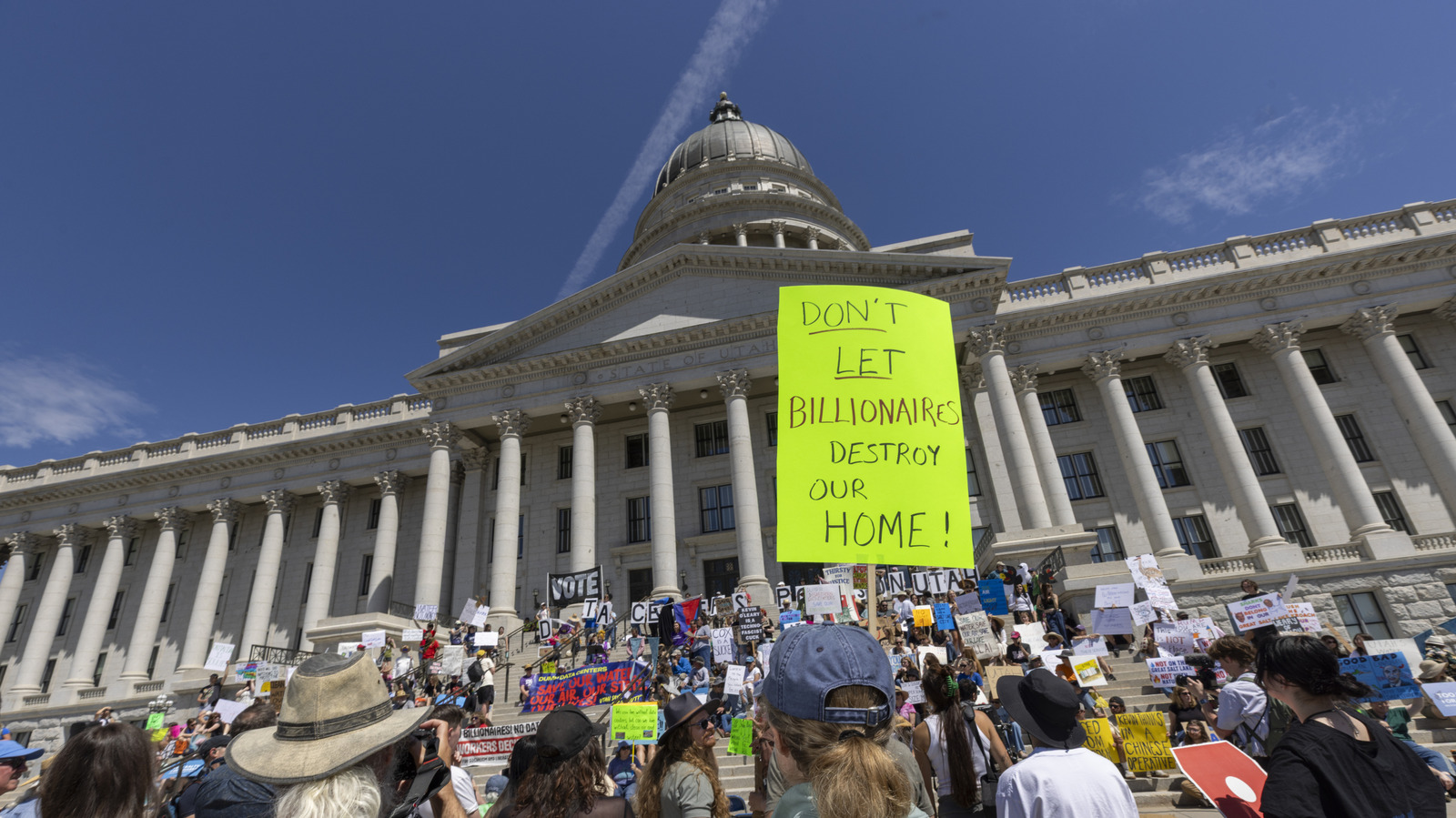
This guide outlines strategies for individuals and communities concerned about the potential negative impacts of data center construction. It addresses common anxieties related to noise pollution, escalating utility costs, and environmental concerns such as increased carbon emissions and water usage. The advice provided aims to empower local residents to voice their objections and seek mitigation measures. It suggests understanding local zoning laws and participating in public hearings as crucial first steps. The guide also encourages researching the specific environmental footprint of proposed data centers and presenting data-backed arguments to local planning commissions and elected officials. Furthermore, it highlights the importance of forming community alliances to amplify collective concerns and exert greater influence. The ultimate goal is to equip citizens with the knowledge and tools to effectively advocate for their interests when faced with data center development proposals.
This guide reflects growing public awareness and concern regarding the significant environmental and infrastructural demands of data centers. As these facilities become more prevalent, their impact on local resources like energy grids and water supplies, as well as their contribution to noise and carbon footprints, necessitates proactive community engagement. Future planning must balance the economic benefits of data centers with their ecological and social costs, potentially through stricter environmental regulations, transparent impact assessments, and incentivizing the use of renewable energy sources and efficient cooling technologies. The challenge lies in developing sustainable data center models that align with long-term environmental goals and community well-being.
AI-generated to prompt reflection — not editorial opinion, not advice, not a statement of fact. How this works.