Guide to Reading Supplement Labels for Informed Choices
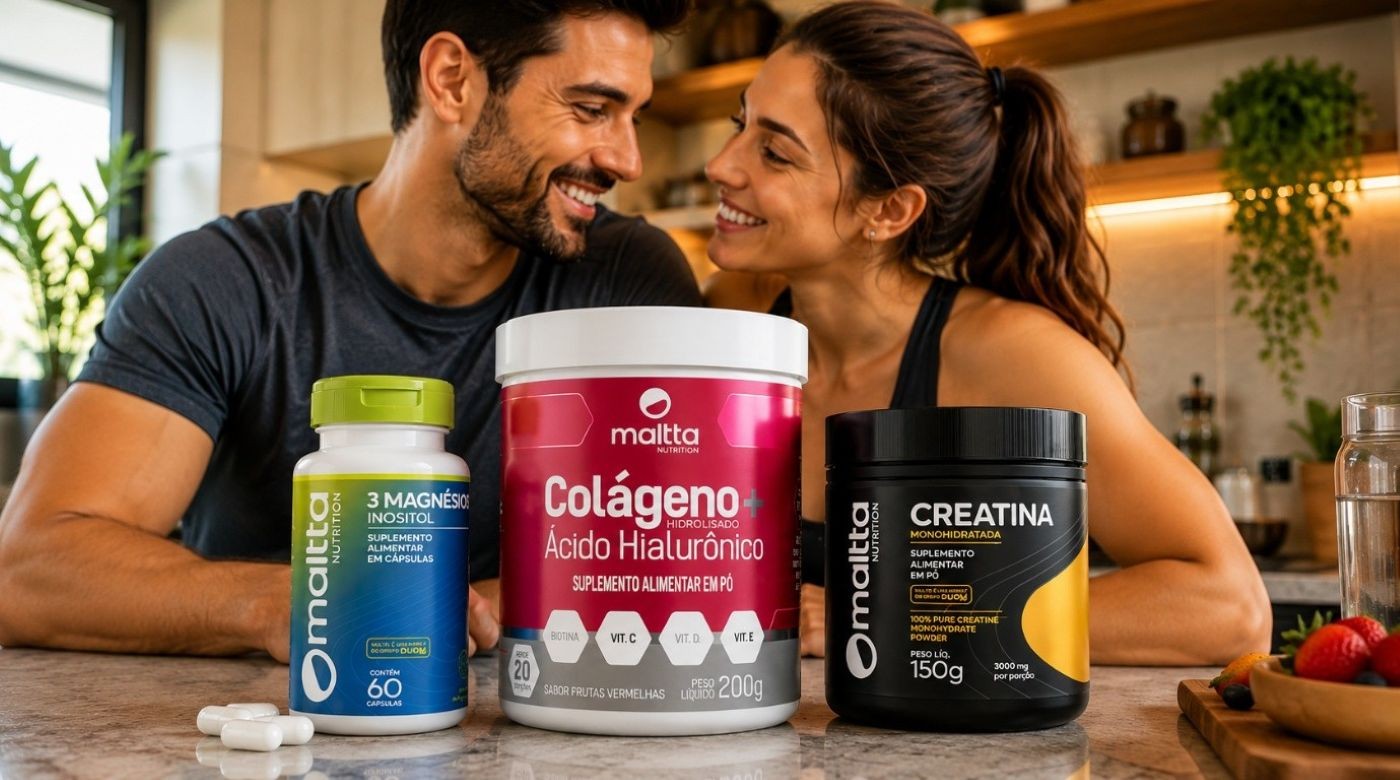
Choosing dietary supplements often relies on brand, price, or attractive packaging, but the most crucial information is found on the label. Understanding how to read a supplement label is key to making a conscious decision, ensuring safety, suitability for individual needs, and value for money. The Brazilian National Health Surveillance Agency (Anvisa) mandates specific information on all food supplement labels. This includes the target audience and recommended age range, usage warnings, a nutritional table detailing composition per serving, a list of ingredients in descending order of quantity, recommended usage instructions, manufacturer details, and information regarding gluten content. These elements are designed to inform consumers, guide them in proper use, and facilitate fair product comparisons. Key sections like target audience, warnings, and manufacturer data are vital. Labels must clearly state if a supplement is for adults or children and specify the age range, preventing misuse. Usage warnings highlight contraindications for pregnant or breastfeeding individuals, children, or specific precautions like the presence of gluten. Legitimate manufacturers will always provide their full company registration number (CNPJ) and address; the absence of this information is a strong indicator of an irregular product. The nutritional table is central, detailing serving size, servings per container, % Daily Value (%VD) for nutrients, and the absolute quantity of each nutrient per serving. It also includes energy value, carbohydrates, sugars, proteins, fats, and sodium. The ingredient list, ordered by quantity, reveals all components and their concentrations, including excipients that ensure product stability. Maltta Nutrition emphasizes label accuracy, ensuring the product inside matches the information provided. Their process involves qualifying suppliers, standardizing production, and implementing rigorous quality controls from ingredient mixing to encapsulation to guarantee stated dosages and concentrations. Maltta aims for clear communication, developing labels that are both informative and compliant with regulations, enabling consumers to easily understand what they are consuming and promoting conscious supplementation.
This article addresses a common consumer knowledge gap regarding dietary supplement labels, emphasizing regulatory requirements and the importance of informed purchasing decisions. It highlights how clear labeling, mandated by agencies like Anvisa, empowers consumers to verify product safety, efficacy, and alignment with personal health goals. The piece implicitly underscores the responsibility of manufacturers to provide accurate and transparent information, contrasting compliant practices with potential irregularities. From a systemic perspective, robust labeling regulations contribute to market integrity and consumer trust, mitigating risks associated with product misrepresentation. As the supplement market continues to grow, driven by wellness trends and technological advancements in ingredient sourcing and formulation, the ability of consumers to critically interpret label data will become increasingly vital. Future innovations in personalized nutrition and bioavailability may necessitate even more detailed and accessible labeling standards to ensure consumer understanding and safety.
AI-generated to prompt reflection — not editorial opinion, not advice, not a statement of fact. How this works.