Guide to Setting Up Local Coding Agents with Open-Weight Models
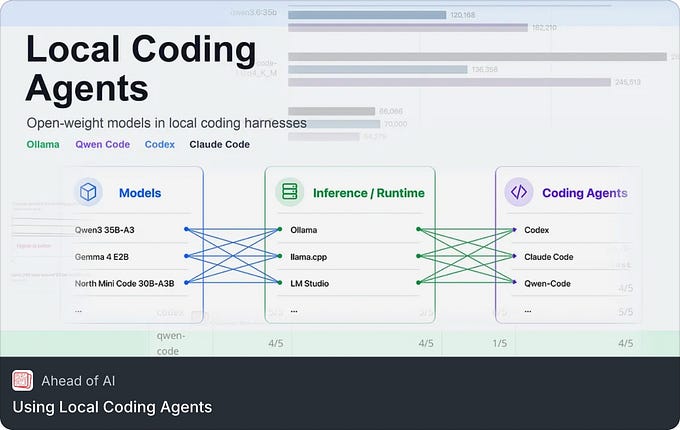
A new article provides instructions on how to set up local coding agents. These agents leverage open-weight models to facilitate coding tasks. The guide aims to empower developers by enabling them to run sophisticated AI coding assistants directly on their own machines. This approach offers greater control over data privacy and potentially reduces reliance on cloud-based services. The article likely details the necessary software, hardware considerations, and configuration steps for users to implement these local agents. By utilizing open-weight models, the setup democratizes access to advanced AI coding tools, allowing for customization and adaptation to specific project needs. This development is significant for developers seeking efficient, private, and adaptable coding solutions.
The emergence of local coding agents powered by open-weight models represents a significant shift in developer tooling. This trend democratizes access to advanced AI capabilities, moving beyond centralized cloud platforms. By enabling local execution, developers gain enhanced control over their data and workflows, potentially fostering greater innovation and customization. This decentralized approach aligns with broader technological shifts towards edge computing and increased user autonomy. The long-term implications involve a potential rebalancing of power between AI providers and end-users, encouraging a more competitive and diverse AI ecosystem.
AI-generated to prompt reflection — not editorial opinion, not advice, not a statement of fact. How this works.