Guillermo del Toro Reimagines 'Pan's Labyrinth' in 3D, Emphasizing Artistic Integrity
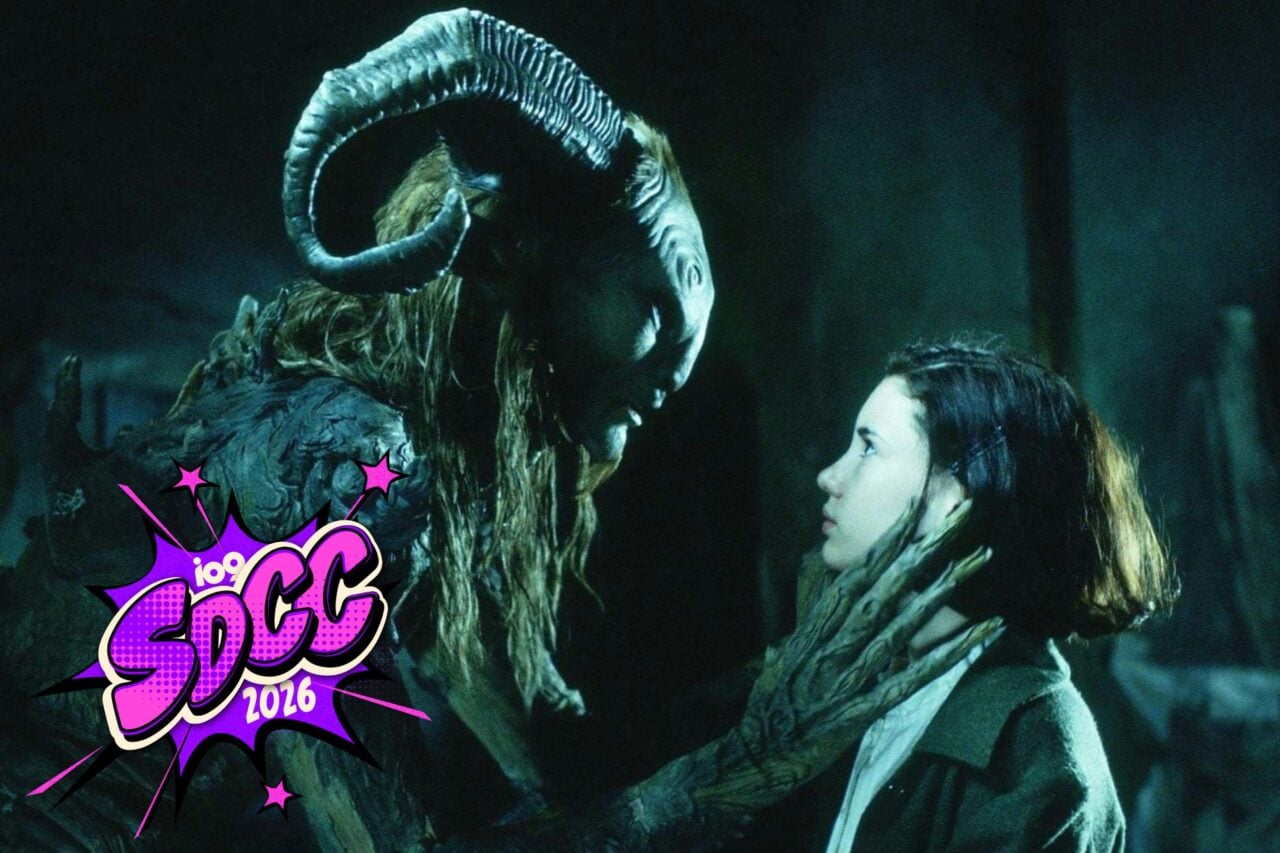
Director Guillermo del Toro is undertaking the conversion of his acclaimed 2006 film, 'Pan's Labyrinth,' into a 3D format. Del Toro has explicitly stated that this process will not involve artificial intelligence (AI), underscoring his commitment to preserving the artistic vision of the original work. He emphasized that the goal is to protect the inherent beauty and the transformative power of art. This decision reflects a broader trend of filmmakers revisiting classic films with new technological enhancements while striving to maintain the integrity of the original creative intent. The conversion to 3D aims to offer audiences a fresh perspective on the dark fantasy masterpiece. The film, set against the backdrop of post-Civil War Spain in 1944, tells the story of Ofelia, a young girl who escapes into a mythical labyrinth. Del Toro's dedication to a hands-on approach in the 3D conversion suggests a meticulous effort to ensure the new format enhances, rather than detracts from, the film's established atmosphere and narrative. This project highlights the ongoing dialogue between technological advancement and artistic preservation in the film industry.
The decision by Guillermo del Toro to convert 'Pan's Labyrinth' to 3D without AI highlights a growing tension between technological advancement and artistic integrity in filmmaking. While AI offers efficiency and novel creative possibilities, its application can raise concerns about authorship and the potential dilution of a director's original vision. Del Toro's stance suggests a prioritization of human craftsmanship and a deliberate choice to control the aesthetic evolution of his work. This approach may appeal to audiences seeking authentic cinematic experiences and could influence how other filmmakers consider the integration of new technologies. The long-term implications involve balancing the allure of AI-driven innovation with the enduring value of traditional artistic processes, particularly for legacy projects where preserving the creator's intent is paramount.
AI-generated to prompt reflection — not editorial opinion, not advice, not a statement of fact. How this works.