Guimarães' Missed Penalty Sparks Debate in Brazil Over Vinícius' Role
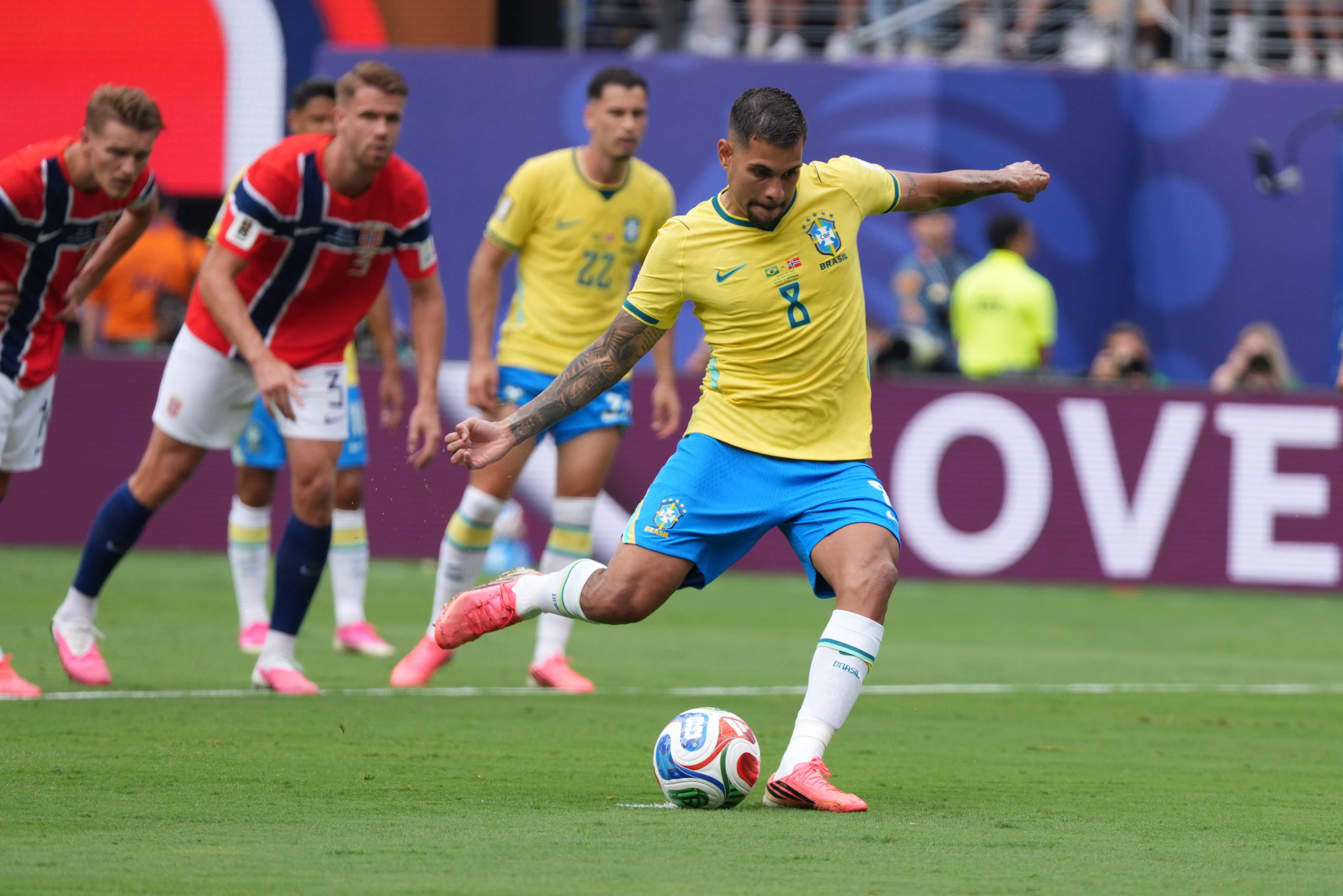
A controversial decision during Brazil's 2026 World Cup elimination has ignited debate within the country. Midfielder Bruno Guimarães stepped up to take a crucial penalty kick instead of the expected taker, Vinícius Junior. Guimarães ultimately failed to convert the penalty, a moment that has become one of the most discussed aspects of Brazil's exit from the tournament. The decision has led to widespread questioning of why Vinícius Junior, a prominent player, did not take the penalty. This incident highlights potential strategic disagreements or internal team dynamics that surfaced during a high-stakes match. The "Canarinha," as the Brazilian national team is known, faced a disappointing outcome, and this specific penalty incident has become a focal point for post-match analysis and fan discussion.
The decision for Bruno Guimarães to take a penalty over Vinícius Junior, resulting in a missed opportunity, raises questions about player roles and decision-making under pressure. In high-stakes football, penalty-taking order is often influenced by player confidence, historical performance, and established team hierarchy. The public debate suggests a potential disconnect between perceived player strengths and the tactical choices made by the coaching staff or players themselves. Examining the incentive structures and communication protocols within the team could reveal how such critical decisions are made and whether they align with maximizing success in future tournaments. This event underscores the importance of clear strategic planning and player alignment, especially in moments that can significantly impact a team's trajectory.
AI-generated to prompt reflection — not editorial opinion, not advice, not a statement of fact. How this works.