Guinea's Prime Minister Aims for "Tomorrow's China" Through Energy Reforms
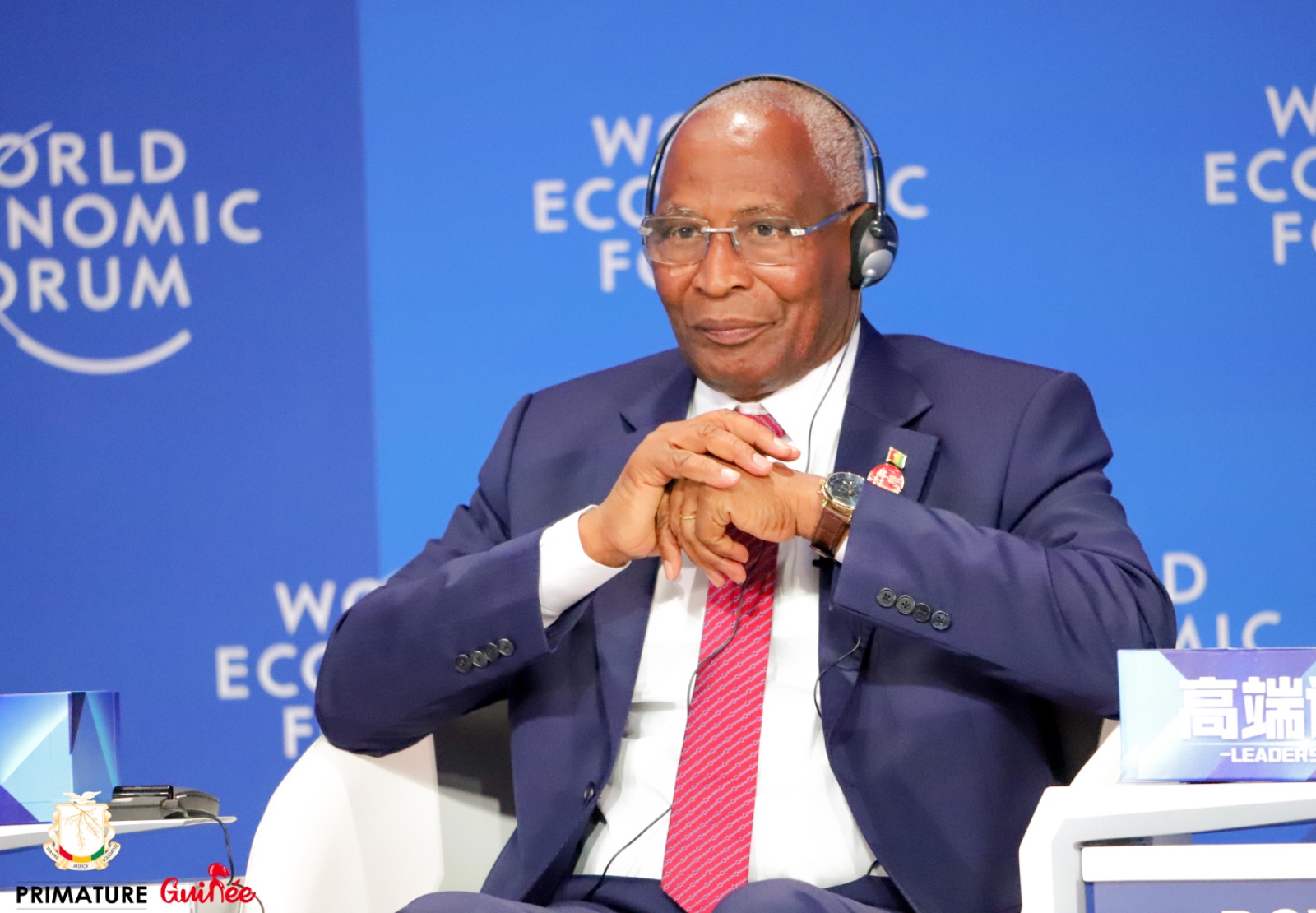
Guinean Prime Minister Amadou Oury Bah has called for a profound transformation of the nation's energy sector, stating on Sunday, June 28, 2026, that the future of the Simandou 2040 program hinges on the country's ability to ensure a reliable electricity supply. Bah made these remarks during a ceremony for the handover of heavy machinery to Électricité de Guinée (EDG). He envisions Guinea becoming a future economic powerhouse, drawing parallels with China's development trajectory. The Prime Minister emphasized that achieving this ambitious goal requires deep-seated reforms within the energy infrastructure. Reliable and abundant electricity is seen as a critical enabler for large-scale industrial projects and overall economic growth. The Simandou 2040 program, a significant national development initiative, is particularly dependent on this energy security. The handover of new equipment to EDG signifies a step towards modernizing the sector. Bah's vision suggests a strategic focus on leveraging natural resources and infrastructure development to propel Guinea's economy forward. The success of these reforms will be crucial in realizing the nation's aspirations for widespread prosperity and industrialization.
Prime Minister Bah's aspiration to position Guinea as "the China of tomorrow" underscores a strategic imperative to leverage energy infrastructure as a catalyst for economic development. The reliance on reliable electricity for the Simandou 2040 program highlights the interconnectedness of resource extraction, industrialization, and energy provision. This vision necessitates significant investment and effective governance to ensure that energy sector reforms translate into tangible economic benefits and avoid the pitfalls of resource-dependent economies. The focus on modernizing Électricité de Guinée with new equipment suggests an understanding of the operational challenges. Future success will depend on sustained policy commitment, transparent resource management, and the cultivation of a skilled workforce capable of supporting advanced energy systems and industrial growth.
AI-generated to prompt reflection — not editorial opinion, not advice, not a statement of fact. How this works.