Guinea to Phase Out Raw Gold Exports Following Presidential Decree
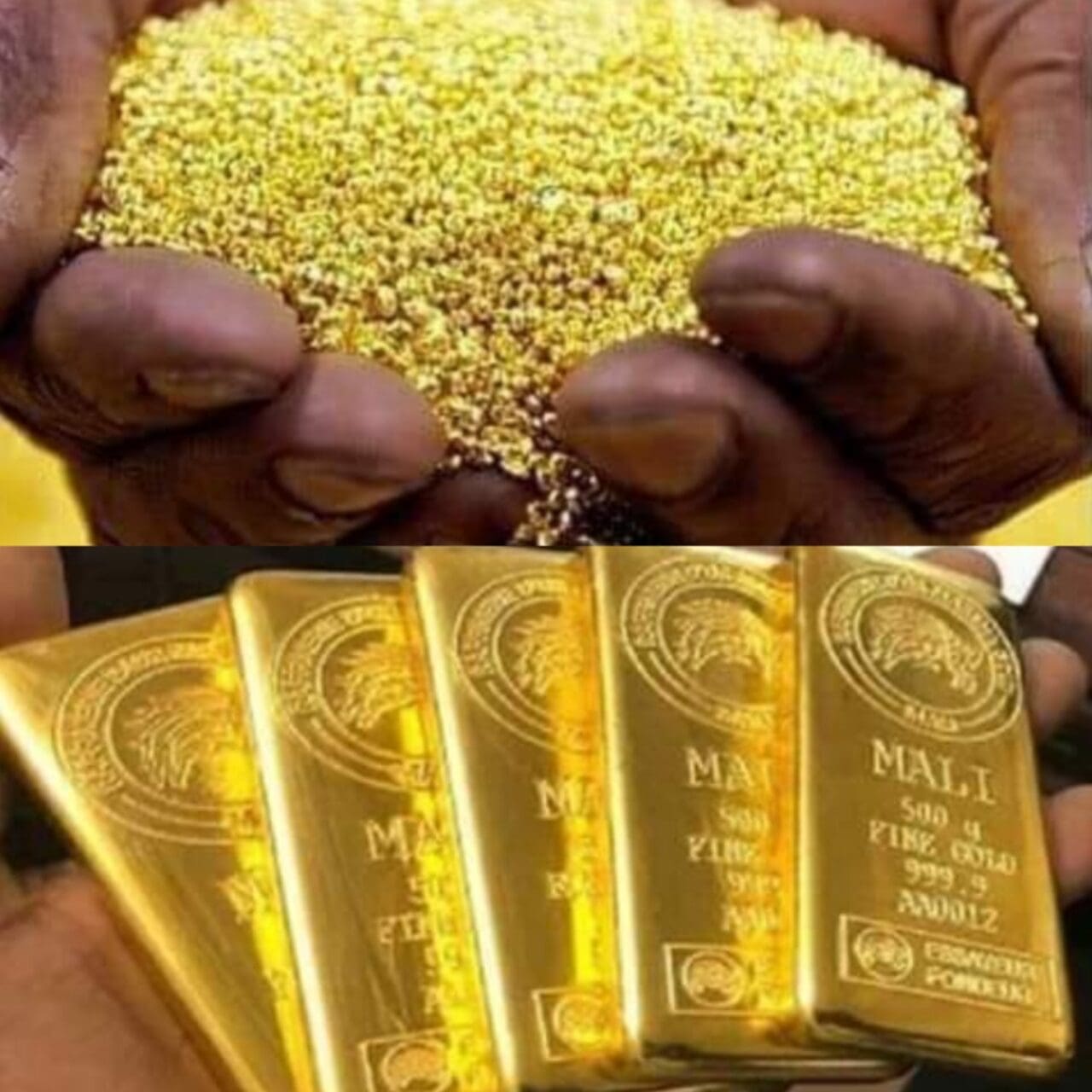
Guinea's President, General Mamadi Doumbouya, has signed a decree to regulate the country's gold sector, signaling a significant shift in mining policy. This new regulation, announced on national television on Friday, July 3rd, will prohibit the export of raw gold. The ban will come into effect after a transitional period of 90 days.
The decree aims to enhance the value chain within Guinea by encouraging the processing of gold domestically. This move is expected to boost the national economy by retaining more of the profits generated from the lucrative gold trade within the country. The government's intention is to foster local industries and create more employment opportunities related to gold refining and manufacturing.
The Guinean government's decision to phase out raw gold exports represents a strategic attempt to capture greater economic value from its natural resources. By mandating domestic processing, the state aims to stimulate local industrial capacity and potentially increase tax revenues, moving beyond the role of a raw material supplier. This policy shift could foster the development of a more integrated mining sector, but its success will hinge on the government's ability to effectively manage the transition, ensure regulatory compliance, and attract the necessary investment and expertise for refining and manufacturing operations. The 90-day grace period suggests an acknowledgment of the logistical and commercial adjustments required, balancing immediate economic interests with long-term industrial development goals.
AI-generated to prompt reflection — not editorial opinion, not advice, not a statement of fact. How this works.