Guinean Stadium Reverses Ban on Cultural Events After Two Weeks
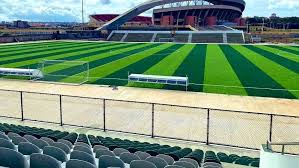
The Petit Sory de Nongo stadium in Guinea has reversed its decision to ban concerts and cultural events within its premises. Less than two weeks after the initial announcement, the General Directorate of Shows (DGS) and the General Directorate of the Stadium issued a joint statement on June 21, 2026, authorizing the resumption of cultural activities. This swift reversal indicates a significant change of stance by the authorities responsible for the stadium and its programming. The initial ban, implemented shortly before this announcement, had curtailed a range of artistic and public gatherings. The specific reasons for the initial prohibition and the subsequent reversal have not been detailed in the provided information. However, the decision to allow cultural events to proceed suggests a reevaluation of the previous policy, potentially considering the economic and social impact of such restrictions. The stadium is a key venue for cultural expression and public assembly in the region. The immediate turnaround suggests that the concerns leading to the ban were either resolved quickly or were perhaps outweighed by other considerations.
The rapid reversal of the ban on cultural activities at the Petit Sory de Nongo stadium suggests a dynamic interplay between regulatory authority and public or economic pressures. Such policy shifts can arise from reconsiderations of the broader impacts of restrictions, including potential economic losses for artists and venues, or public demand for cultural engagement. The situation highlights the importance of clear, consistent, and well-communicated policy frameworks for public spaces, particularly those vital for cultural expression. Looking ahead, establishing robust frameworks for assessing and managing risks associated with public gatherings, while ensuring continued access to cultural and social events, will be crucial for fostering vibrant community life and supporting the creative economy in the long term.
AI-generated to prompt reflection — not editorial opinion, not advice, not a statement of fact. How this works.