Gulf Nations Advise Citizens Amidst Rising US-Iran Tensions
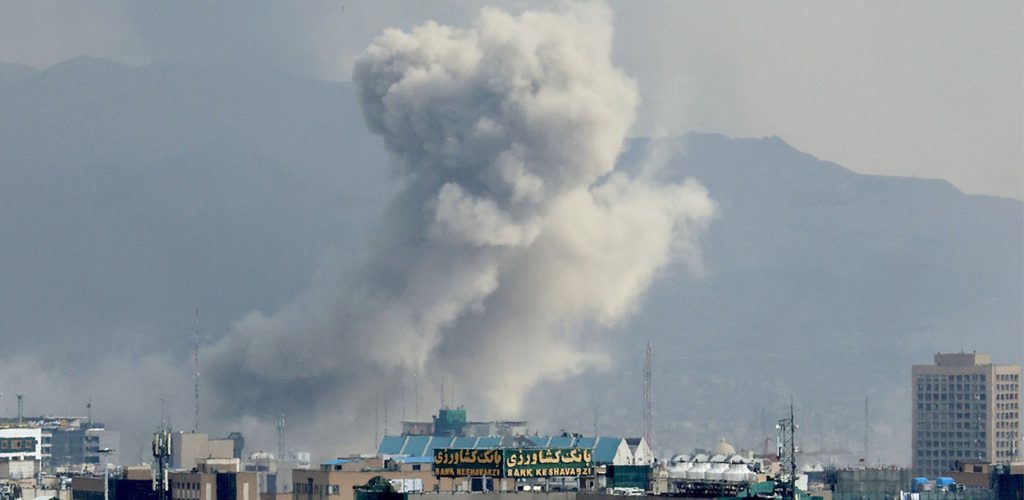
As tensions escalate between Iran and the United States in the East Asian region, neighboring Gulf countries are also feeling the impact. Reports indicate that Iran has launched retaliatory strikes against American military bases located in Kuwait, Qatar, and Bahrain, in response to a perceived U.S. attack. This heightened conflict has prompted several Gulf nations to issue advisories to their citizens, urging caution and preparedness. The situation remains volatile, with regional stability under threat. The specific nature of the U.S. action that triggered Iran's response has not been detailed, but the retaliatory measures suggest a significant escalation. Citizens residing in or traveling to these areas are advised to stay informed about the latest developments and follow official guidance. The geopolitical implications of these actions are far-reaching, potentially affecting international relations and global security. The advisories aim to ensure the safety and well-being of their respective populations amidst the growing uncertainty.
The escalating military actions between Iran and the United States in the Persian Gulf region, involving strikes on military installations in Kuwait, Qatar, and Bahrain, represent a critical juncture in regional security. The advisories issued by Gulf nations to their citizens underscore the palpable risk of wider conflict. This dynamic highlights the complex geopolitical incentives at play, where regional power struggles intersect with global strategic interests. The interconnectedness of these nations means that any significant military engagement could have cascading effects on energy markets, international trade, and civilian populations. Future stability will depend on de-escalation mechanisms and the adherence to international norms, particularly as artificial intelligence continues to reshape the landscape of warfare and geopolitical strategy.
AI-generated to prompt reflection — not editorial opinion, not advice, not a statement of fact. How this works.