Gulf States Accelerate Multi-Billion Dollar Pipeline Projects to Bypass Hormuz Strait
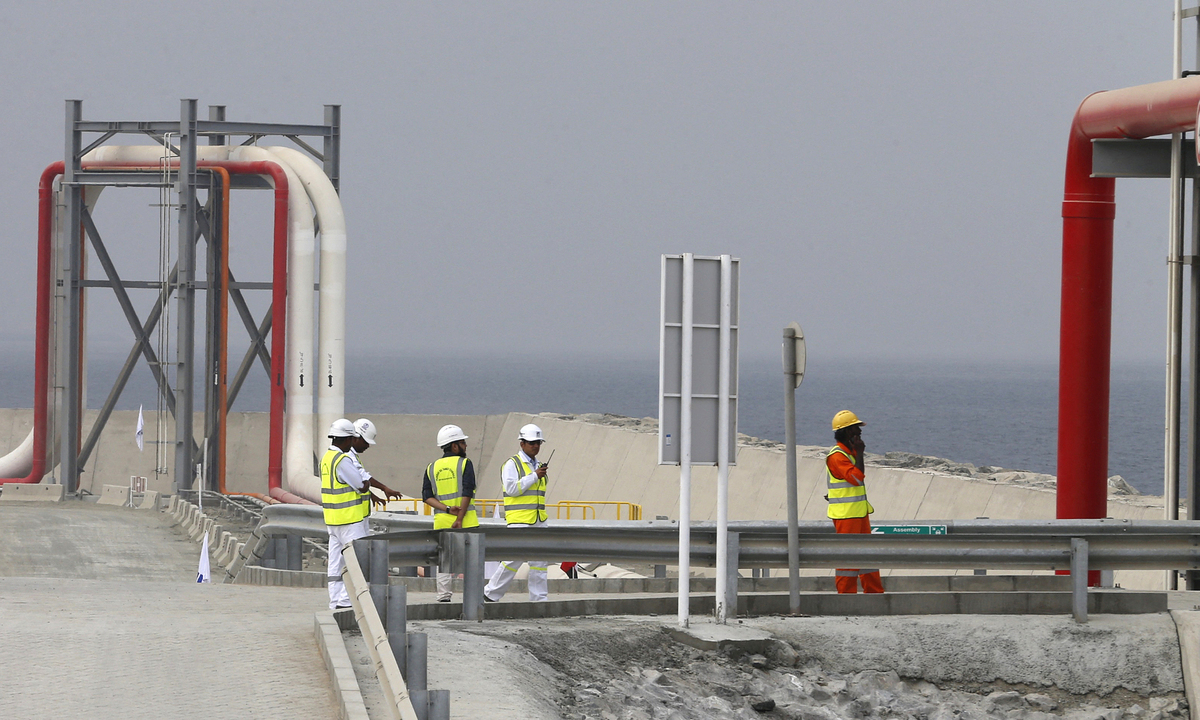
Nations in the Gulf region are rapidly advancing the construction of extensive pipeline networks, representing billions of dollars in investment. This strategic initiative aims to significantly reduce their reliance on the Strait of Hormuz, a critical chokepoint for global oil transit. The expansion of these alternative routes is driven by a desire for greater energy security and to mitigate risks associated with potential disruptions in the Strait. Several countries are involved in this ambitious undertaking, which underscores a broader trend of diversifying energy infrastructure in the region. The projects are expected to enhance the flexibility and resilience of oil supply chains originating from the Gulf. This development signifies a long-term commitment to securing energy exports and maintaining the flow of oil to international markets through more stable routes. The scale of investment highlights the strategic importance placed on these new infrastructure developments.
The accelerated development of oil pipelines bypassing the Strait of Hormuz reflects a pragmatic response to geopolitical risks inherent in concentrated transit points. This infrastructure investment signals a strategic shift towards enhancing supply chain resilience, a crucial consideration in an era of increasing global volatility. By diversifying export routes, Gulf nations are seeking to de-risk their energy sector and ensure a more stable flow of oil, thereby influencing global energy market dynamics. This move could potentially alter shipping insurance premiums and the strategic calculus of global powers with interests in the region, prompting a re-evaluation of maritime security strategies.
AI-generated to prompt reflection — not editorial opinion, not advice, not a statement of fact. How this works.