Gulf States Support Iran's Plan for Voluntary Fees on Hormuz Strait Traffic
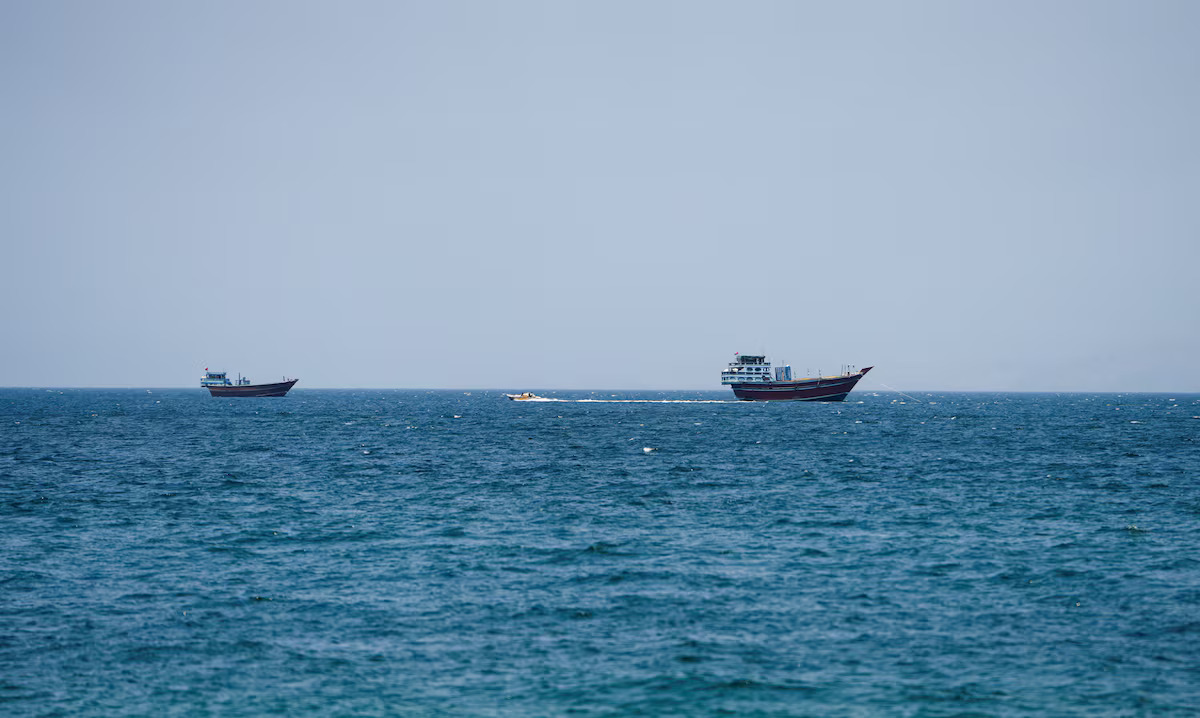
Gulf states have reportedly backed a proposal that would allow Iran to collect voluntary fees from ships transiting the Strait of Hormuz. This development comes after Iran effectively controlled the strait, limiting passage to vessels other than its own, following attacks by the United States and Israel on February 28. The specifics of the "voluntary" fee structure and the exact nature of the support from Gulf states remain unclear. However, the arrangement suggests a potential de-escalation or a new modus vivendi in the critical waterway. The Strait of Hormuz is a vital chokepoint for global oil and gas shipments, making any disruption or new fee structure a significant factor in international energy markets. The backing of Gulf states could indicate a shared interest in maintaining stability and predictable passage through the strait, despite underlying geopolitical tensions.
The reported support from Gulf states for Iran's plan to collect voluntary fees in the Strait of Hormuz presents a complex dynamic. This arrangement could be interpreted as a pragmatic approach to managing maritime passage and potentially mitigating conflict in a strategically vital waterway. By allowing Iran to collect fees, other nations might be seeking to ensure continued, predictable access for shipping, thereby stabilizing energy markets. However, the "voluntary" nature of the fees and the context of recent military actions raise questions about the balance of power and potential leverage. This situation highlights the ongoing challenge of navigating geopolitical rivalries in critical global commons, where economic stability often intersects with security concerns. The long-term implications will depend on the transparency of the fee collection, the adherence to international maritime law, and the broader regional security architecture.
AI-generated to prompt reflection — not editorial opinion, not advice, not a statement of fact. How this works.