Gulf Tensions Disrupt Travel: Enhanced Security Expected After New Attacks
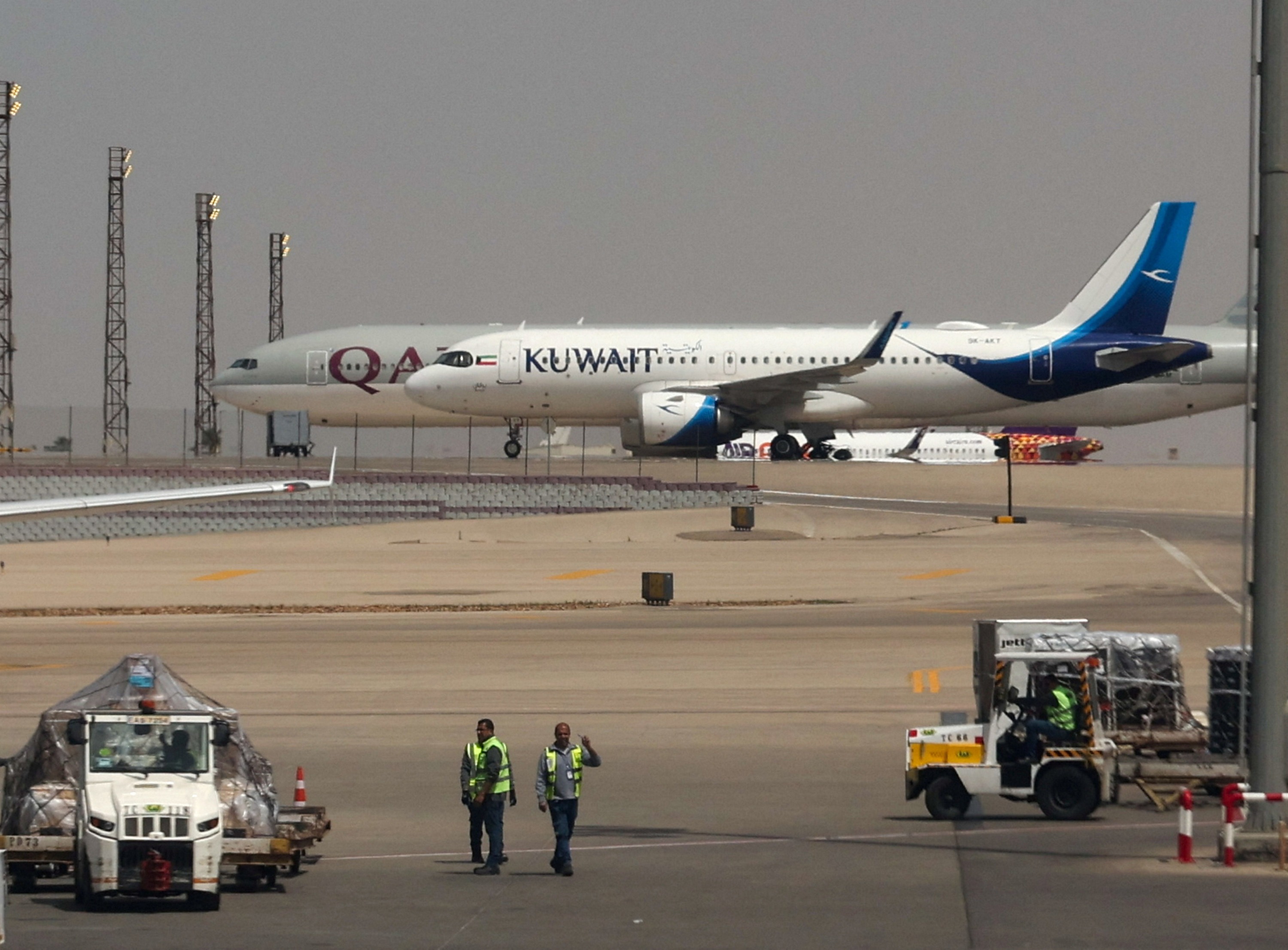
Iran launched strikes on targets in Kuwait, Qatar, and Bahrain on Friday, escalating regional tensions. This surge in conflict has significantly impacted air travel, prompting the French Ministry of Foreign Affairs (Quai d'Orsay) to issue a strong call for the utmost vigilance among travelers. The situation is expected to lead to disruptions for those planning layovers or stays in the affected region. Security measures are anticipated to be significantly reinforced across airports and travel routes. Travelers are advised to stay informed about potential flight cancellations, delays, and increased security checks. The ongoing instability underscores the fragility of the region's geopolitical landscape and its direct consequences on international transit. Authorities are monitoring the situation closely to manage the fallout and ensure traveler safety.
The recent strikes in the Persian Gulf and the subsequent disruption to air travel highlight the persistent geopolitical instability in the region. Increased security measures and travel advisories are predictable responses to such events, reflecting the complex interplay between state actions and the globalized nature of modern transit. This situation underscores the vulnerability of international supply chains and travel networks to localized conflicts. Looking ahead, such recurring tensions may accelerate investments in alternative transportation routes or more resilient logistical frameworks. The economic and social costs of these disruptions, borne by both individuals and businesses, warrant a strategic re-evaluation of regional security architectures and their impact on global connectivity.
AI-generated to prompt reflection — not editorial opinion, not advice, not a statement of fact. How this works.