Gum Disease Bacteria Linked to Hidden Heart Valve Risk
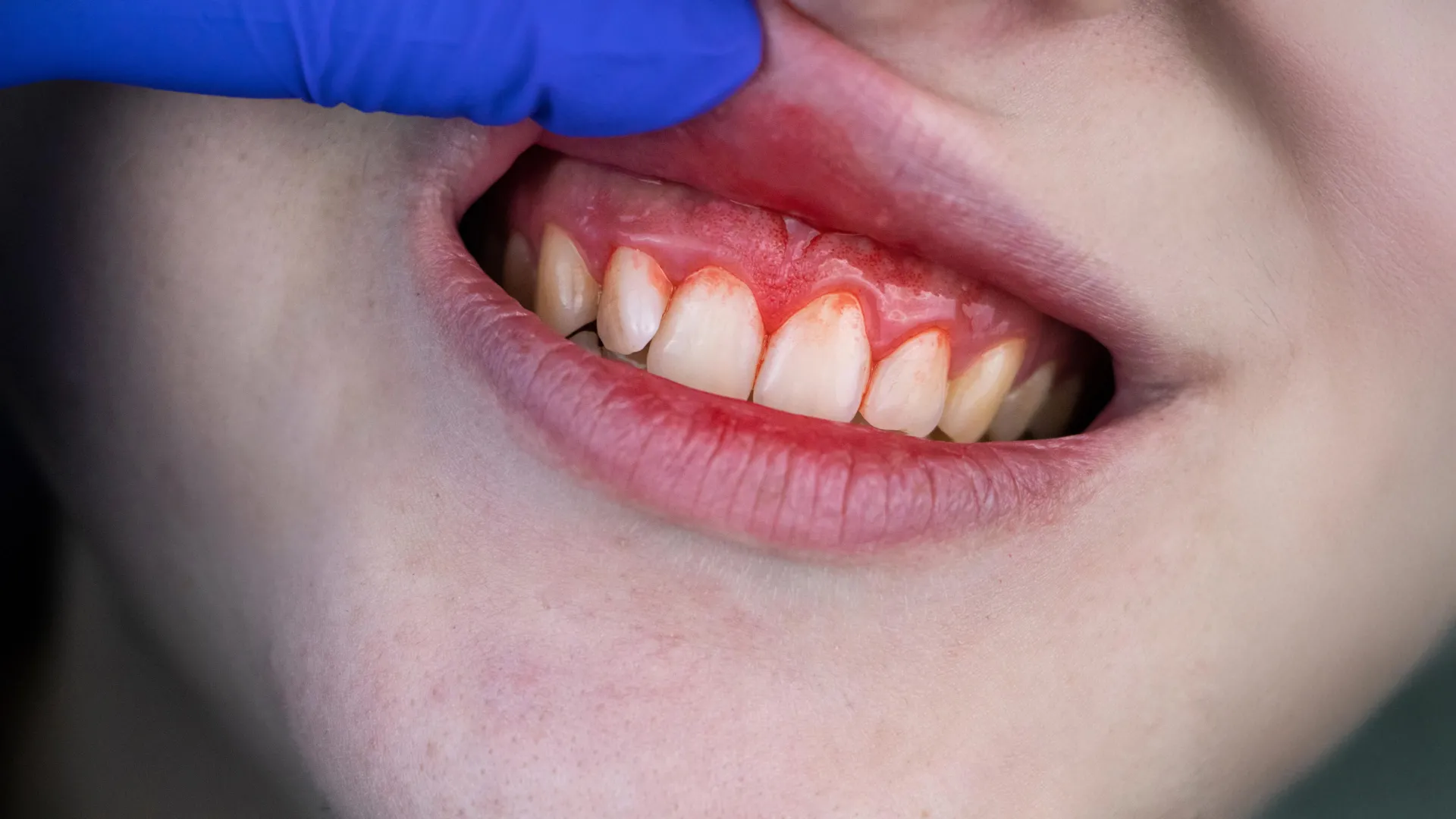
Scientists have uncovered a potential link between gum disease and a serious heart condition, calcific aortic valve stenosis. Researchers discovered that bacteria associated with gum disease may contribute to the development of this valve issue. These bacteria appear to trigger inflammation and promote calcium accumulation within the heart valve. The preliminary findings suggest that maintaining good oral hygiene, specifically healthy gums, could be a factor in lowering the risk of developing this cardiovascular disease. This research opens up new avenues for understanding and potentially preventing heart valve problems.
This research highlights a potential systemic connection between oral health and cardiovascular disease, specifically calcific aortic valve stenosis. The proposed mechanism involves bacteria from gum disease inducing inflammation and subsequent calcium deposition in the heart valve. This finding could shift perspectives on preventative healthcare, suggesting that interventions targeting oral microbiome health might have broader public health benefits beyond dental hygiene. Future research will need to validate these early findings and explore the precise biological pathways involved. Understanding these links could inform public health strategies and patient care protocols, potentially reducing the burden of cardiovascular disease through accessible oral health initiatives.
AI-generated to prompt reflection — not editorial opinion, not advice, not a statement of fact. How this works.