Gunjari's 'Tarikh-i-Bukhara': Rediscovering a Lost Manuscript
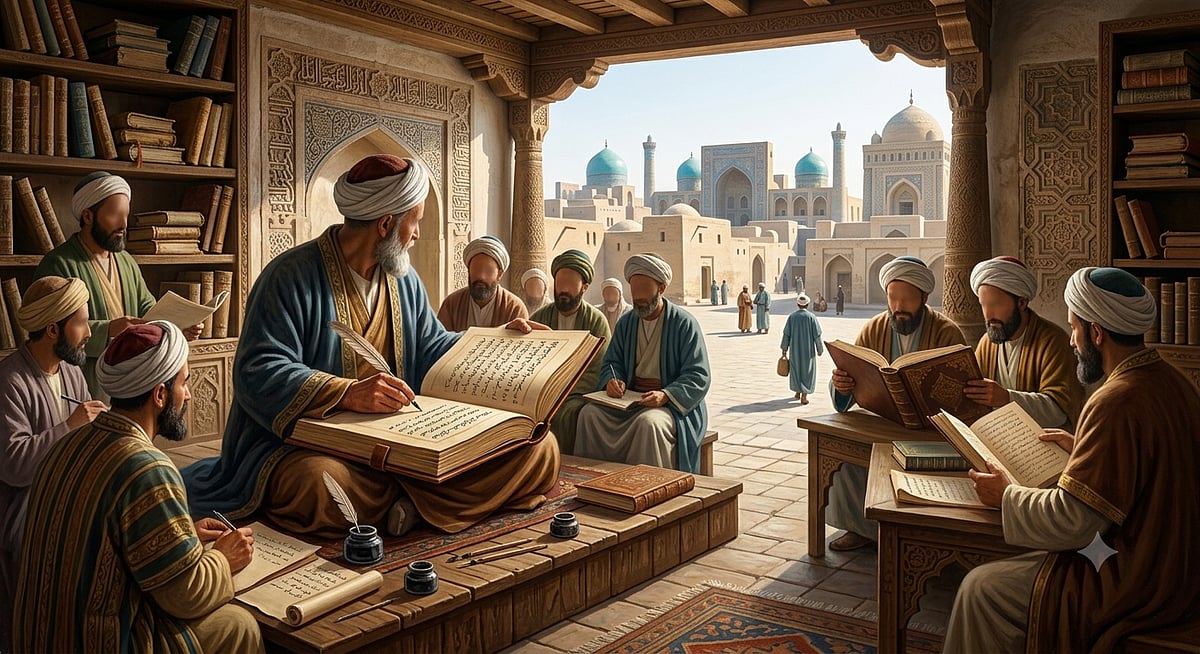
The identity of the author of 'Tarikh-i-Bukhara' is an intriguing subject, particularly concerning their title 'Gunjari'. The word 'Gunjari' translates to red color or rouge, a cosmetic historically used by women on their cheeks. This detail offers a unique glimpse into the potential background or personal associations of the manuscript's creator. The manuscript itself, 'Tarikh-i-Bukhara', is of significant historical value, representing a potentially lost or rare work from the region of Bukhara. Its rediscovery or further study could shed light on the history and culture of the area. The author's chosen pseudonym or title, 'Gunjari', suggests a possible connection to aesthetics or a symbolic representation that warrants further academic investigation. Understanding the context behind this title is crucial for a comprehensive interpretation of the manuscript's content and its author's perspective.
The author's adoption of the title 'Gunjari,' meaning red color or rouge, introduces an interesting dimension to the historical narrative of 'Tarikh-i-Bukhara.' This choice may reflect societal norms, personal identity, or even a symbolic commentary relevant to the manuscript's themes. Examining such details can illuminate the author's social context and intellectual milieu, moving beyond a purely textual analysis. In the broader scope of historical scholarship, understanding the nuances of authorial self-representation, especially when tied to cultural practices like cosmetic use, enriches our comprehension of past societies. This invites further research into the historical significance of 'Gunjari' and its potential implications for interpreting the 'Tarikh-i-Bukhara' within its original cultural framework.
AI-generated to prompt reflection — not editorial opinion, not advice, not a statement of fact. How this works.