Guru Dutt's Personal Life: Love, Fame, and Tragedy
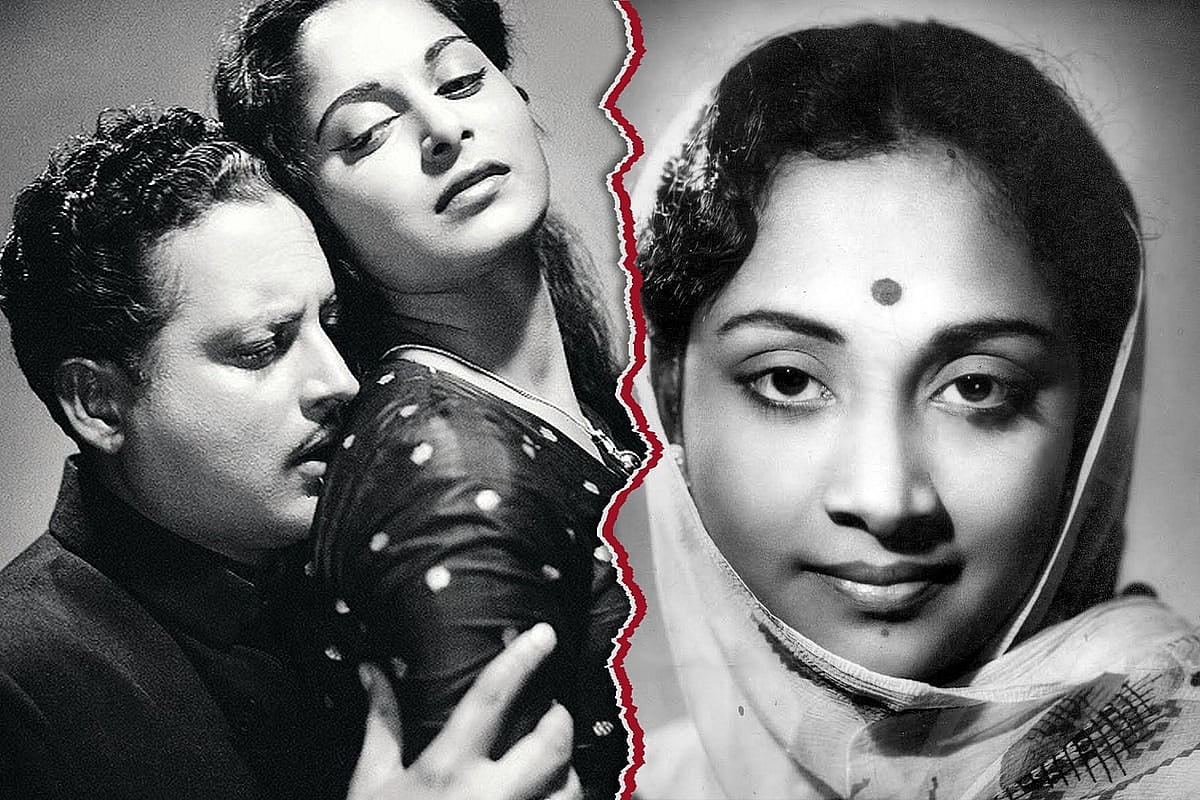
The personal life of renowned Indian filmmaker Guru Dutt was marked by a complex interplay of love, immense fame, and profound personal tragedy. Dutt, born Vasanth Kumar Shivashankar Padukone, achieved significant success in Hindi cinema during the 1950s, becoming known for his distinctive directorial style and iconic films like 'Pyaasa' and 'Kaagaz Ke Phool'. His professional achievements, however, were often overshadowed by his tumultuous personal relationships and struggles.
Dutt was married to singer and actress Geeta Dutt, with whom he had three children. Despite their marriage, their relationship was strained, reportedly due to Dutt's alleged affairs and his intense dedication to his work. He is often cited as having had a significant relationship with actress Waheeda Rehman, who starred in many of his films. This romantic entanglement is believed to have further complicated his marriage and personal life.
The immense pressure of his career, coupled with his personal heartbreaks, took a toll on Guru Dutt's mental and emotional well-being. Tragically, he passed away at the young age of 39 in 1964. The circumstances surrounding his death, officially ruled as an accidental overdose of sleeping pills, remain a subject of speculation and sorrow among his admirers, cementing his legacy as a brilliant artist whose life was tragically cut short.
Guru Dutt's life story illustrates the intense pressures faced by creative individuals navigating both public acclaim and private relationships. The narrative highlights the potential for personal turmoil to intersect with professional endeavors, particularly in highly visible fields like cinema. Examining the systemic factors that may contribute to such outcomes, such as the demands of the entertainment industry and the complexities of personal bonds, can offer insights. Understanding these dynamics can inform discussions on mental well-being support within creative professions and the societal impact of artistic genius intertwined with personal struggle, looking towards future systems that better support artists holistically.
AI-generated to prompt reflection — not editorial opinion, not advice, not a statement of fact. How this works.