Gut Neurons Identified as Potential Drivers of Constipation and Pain
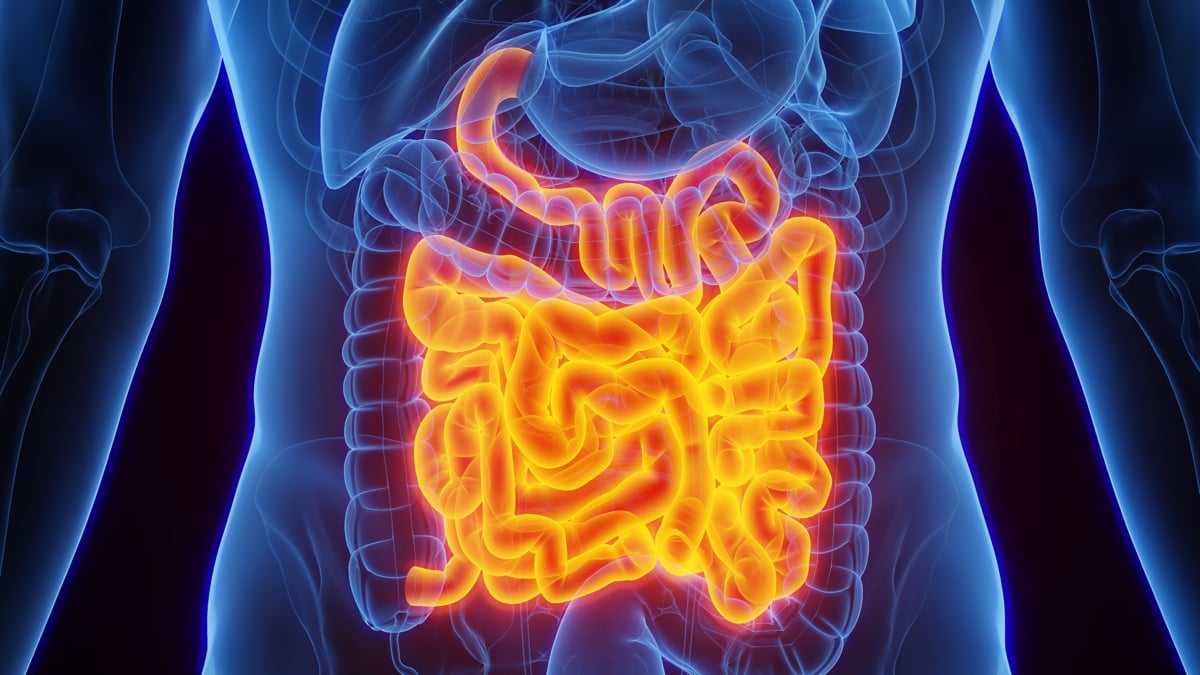
Scientists have discovered neurons within the gut that may be responsible for causing constipation and pain. These specialized nerve cells are located in the enteric nervous system, often referred to as the 'second brain' due to its complexity. Researchers suggest that these neurons could be directly influenced by inflammatory processes occurring in the digestive tract. This finding opens new avenues for understanding the mechanisms behind gastrointestinal discomfort and motility issues. Further research is needed to fully elucidate the role of these neurons in various gut disorders. The discovery could lead to novel therapeutic targets for conditions characterized by chronic constipation and abdominal pain. The study highlights the intricate connection between the nervous system and digestive function. Understanding this gut-brain axis is crucial for developing effective treatments.
This discovery points to a potential biological mechanism underlying common gastrointestinal symptoms like constipation and pain. By identifying specific neurons that may react to inflammation, researchers are moving towards a more precise understanding of gut disorders. Future therapeutic strategies could focus on modulating the activity of these neurons or mitigating the inflammatory signals that affect them. This research aligns with a broader trend in medicine to explore the neuro-immune interactions within the body, particularly in complex systems like the gut. Understanding these intricate pathways may offer new leverage points for treatments, moving beyond symptom management to address root causes.
AI-generated to prompt reflection — not editorial opinion, not advice, not a statement of fact. How this works.