Gut Signals May Influence Memory Formation, Rat Study Suggests
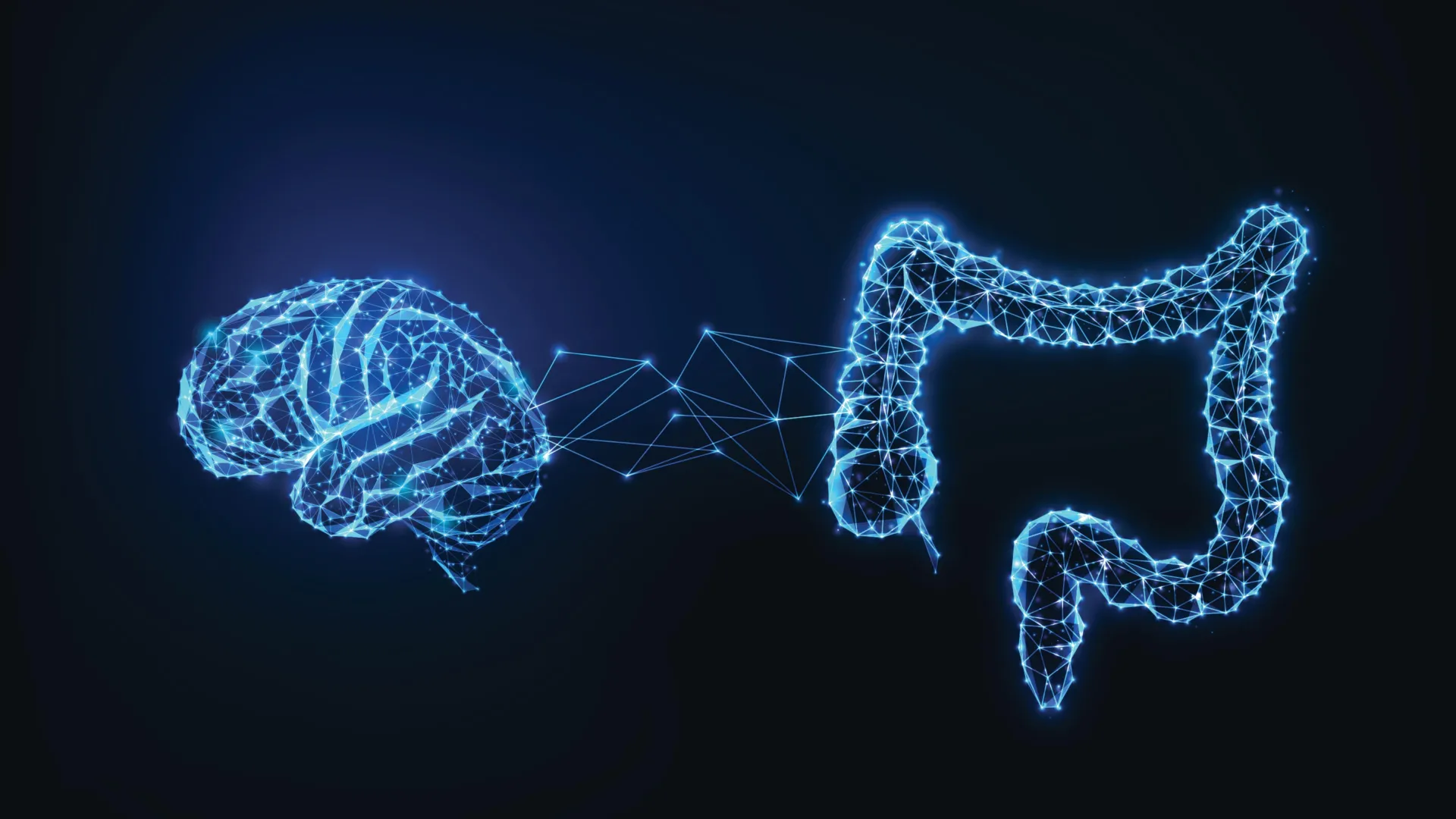
New research indicates that signals originating in the gut and traveling to the brain might play a crucial role in consolidating memories of meals. Experiments conducted on rats revealed heightened memory activity following the consumption of nutrient-rich foods. However, this effect was not observed when the rats consumed sweet liquids that offered minimal nutritional value. The study found that severing the vagus nerve, which connects the gut and brain, abolished this memory enhancement. Consequently, rats with a blocked vagus nerve experienced greater difficulty recalling the locations of food sources. Furthermore, the research suggests that prolonged diets high in fat and sugar can degrade the efficacy of this gut-brain memory pathway over time.
This research highlights a potential biological mechanism linking gut health to cognitive function, specifically memory. The findings suggest that the nutritional content of food, not just its palatability, could influence memory consolidation via the vagus nerve. This perspective challenges a purely brain-centric view of memory formation and introduces the gut as a significant modulator. Over the long term, understanding this gut-brain axis could inform dietary guidelines aimed at optimizing cognitive health, particularly in an era where processed, nutrient-poor foods are prevalent. Further investigation into the specific molecular pathways involved may reveal novel therapeutic targets for memory-related disorders.
AI-generated to prompt reflection — not editorial opinion, not advice, not a statement of fact. How this works.