Gwangmyeong City Cites Design, Construction, and Management Failures in Sinansan Line Collapse, Demands Greater Local Authority
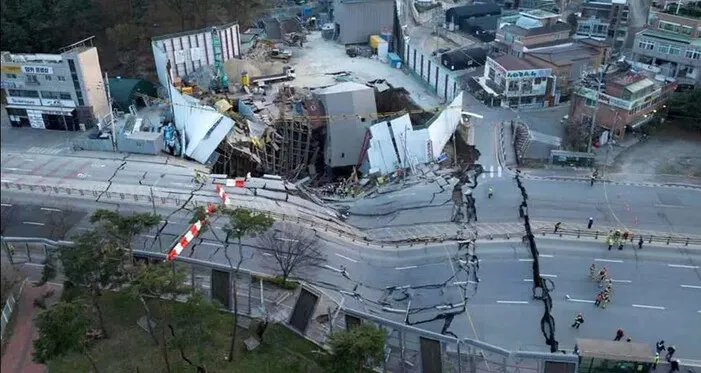
Gwangmyeong City has declared that the collapse incident on the Sinansan Line was a result of comprehensive failures in its design, construction, and management. The city is advocating for increased authority for local governments to prevent similar incidents in the future. This statement highlights a significant issue concerning infrastructure projects and the oversight mechanisms in place. The city's call for enhanced local power suggests a perceived gap in current regulatory frameworks. Such failures in major transportation projects can have substantial impacts on public safety and economic development. The incident underscores the critical need for robust quality control and accountability throughout the entire lifecycle of infrastructure development. Gwangmyeong City's position implies that a decentralization of certain decision-making powers could lead to more effective project execution and oversight. This event serves as a case study for evaluating the effectiveness of current governance structures in managing large-scale public works.
The Sinansan Line collapse incident points to systemic vulnerabilities in the oversight and execution of large-scale infrastructure projects. The assertion of comprehensive failures in design, construction, and management suggests potential deficiencies in inter-agency coordination, regulatory enforcement, and quality assurance protocols. Empowering local authorities could theoretically improve responsiveness to site-specific conditions and community needs, potentially mitigating risks. However, this also raises questions about the equitable distribution of resources and expertise across different municipalities. Future infrastructure governance models may need to balance centralized technical standards with localized implementation flexibility, ensuring robust accountability mechanisms regardless of administrative level. The long-term implications involve reassessing risk management frameworks to prevent recurrence and ensure public trust in critical development projects.
AI-generated to prompt reflection — not editorial opinion, not advice, not a statement of fact. How this works.