GWM Haval H6: Still a good buy despite losing hybrid SUV sales lead to BYD?
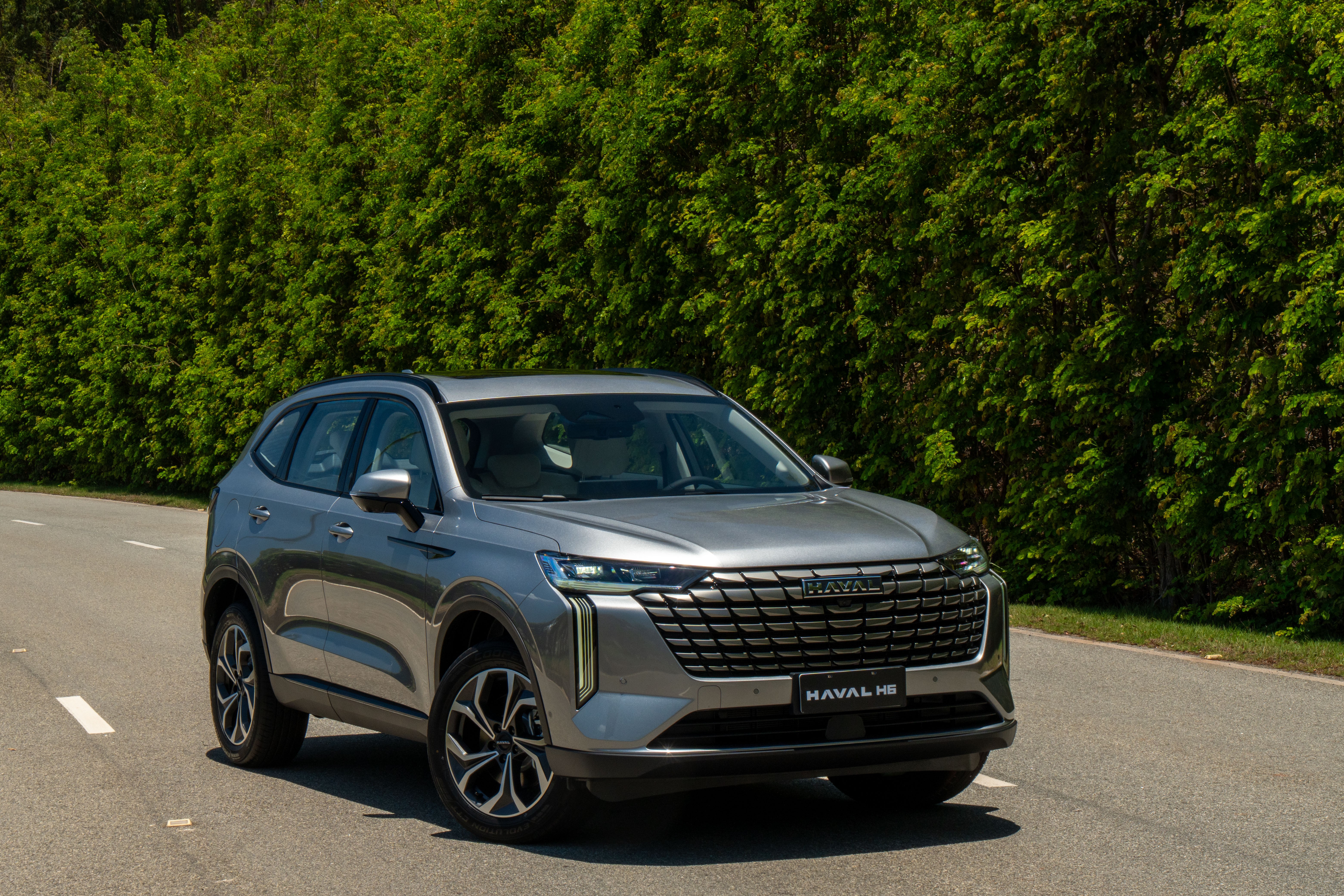
The GWM Haval H6, once Brazil's best-selling hybrid SUV in 2024, has been overtaken by BYD's Song line in 2025. The BYD Song Plus and Pro now outsell the H6 by approximately 50%. According to automotive consultant Milad Kalume Neto, this shift is due to several factors, primarily pricing, as the BYD Song Pro starts R$9,910 cheaper than the base H6. GWM's perceived delay in updating its product portfolio and BYD's more aggressive marketing and larger dealership network also contributed. While GWM initially had a superior mechanical setup, BYD's adoption of turbo engines has narrowed the performance gap.
Despite losing the top spot, the Haval H6 remains a strong seller, with 20,142 units sold between January and June 2026, more than double the third-place Omoda 5. The H6 boasts an imposing design, a comprehensive equipment list including 6 airbags, a panoramic sunroof, a 14.5-inch multimedia system, 360-degree cameras, semi-autonomous driving features, and facial recognition for driver preferences. It also offers a class-leading 560-liter trunk.
However, the H6 has some drawbacks. Its turn signal stalk requires manual return, unlike the automatic systems in most cars, leading to accidental signaling. The climate control system, while effective, often fails to maintain the set temperature, requiring manual adjustments. The semi-autonomous driving system, while functional, can be overly intrusive with frequent alerts and unexpected decelerations, potentially creating safety risks. Performance-wise, the H6 offers a firm suspension, quick acceleration from its plug-in hybrid system, and good cabin quietness thanks to its turbo engine. The system maintains a minimum battery charge (around 20%) for optimal electric motor performance during acceleration and overtaking.
The competitive landscape for hybrid SUVs in Brazil highlights the dynamic interplay between product innovation, pricing strategy, and market penetration. While the GWM Haval H6 initially captured significant market share with its advanced powertrain, its subsequent decline in sales leadership suggests that sustained market dominance requires continuous portfolio updates and aggressive consumer engagement. BYD's success illustrates the impact of a broader product range, competitive pricing, and a robust dealership network in capturing consumer preference. Future market success will likely depend on manufacturers' ability to balance technological advancements with user-friendly interfaces and intuitive driver-assistance systems, addressing minor but persistent usability issues that can detract from the overall ownership experience and potentially impact safety perceptions. The ongoing evolution of hybrid and electric vehicle technology necessitates a proactive approach to product development and customer support to maintain a competitive edge in this rapidly growing segment.
AI-generated to prompt reflection — not editorial opinion, not advice, not a statement of fact. How this works.