Gyanvapi Dispute: Supreme Court Refers Case to Special Lok Adalat for Resolution
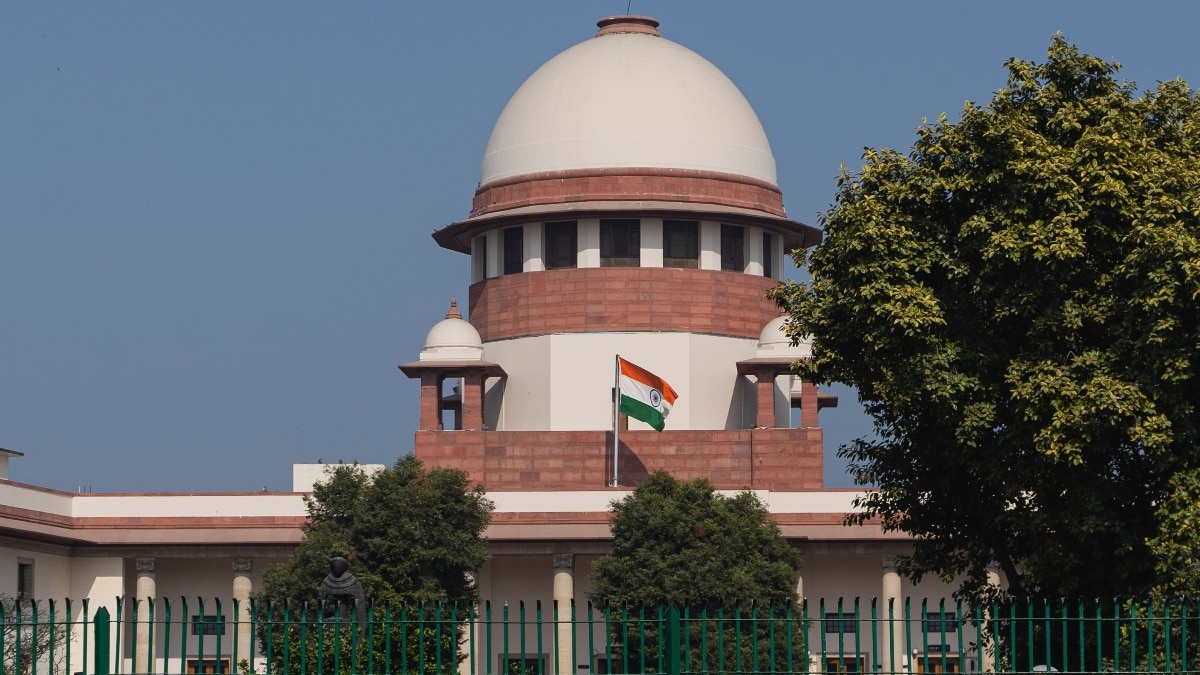
The Supreme Court of India has taken a significant step in the Gyanvapi dispute by referring the matter to a special Lok Adalat. The court's objective is to facilitate a resolution through dialogue and negotiation between the involved parties. To achieve this, a special Lok Adalat session has been scheduled to convene from August 21st to August 23rd. This initiative aims to explore amicable settlement possibilities outside the traditional judicial proceedings. The court is emphasizing a conciliatory approach to address the long-standing complexities of the Gyanvapi case. The Lok Adalat provides a platform for parties to present their views and work towards a mutually agreeable outcome. This move signifies a judicial preference for alternative dispute resolution mechanisms in sensitive matters.
The Supreme Court's decision to direct the Gyanvapi dispute to a Lok Adalat highlights a strategic shift towards alternative dispute resolution for complex, historically charged cases. This approach leverages the principles of mediation and conciliation, aiming to de-escalate tensions and foster dialogue. By moving the proceedings to a Lok Adalat, the court signals a recognition that traditional adversarial processes may not always be the most effective path to lasting peace in deeply entrenched disputes. This move could set a precedent for handling similar sensitive matters, prioritizing community harmony and mutual understanding over protracted legal battles, particularly as societal expectations evolve in the coming decade to favor collaborative problem-solving.
AI-generated to prompt reflection — not editorial opinion, not advice, not a statement of fact. How this works.