H2O President: 2 Years of Consumption Tax Cut is Too Short, Negative for Consumer Environment
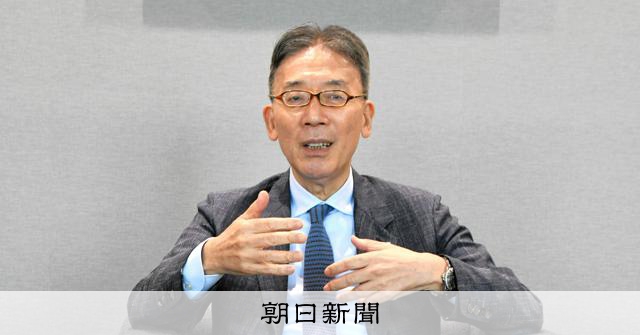
The president of H2O, a major Japanese retail group, has stated that a two-year period for a consumption tax reduction is "too short" and would be detrimental to the consumer environment. This sentiment was expressed by the company's president, who leads a significant player in the retail sector. The proposed tax cut, if implemented for only two years, is seen as insufficient to stimulate sustained consumer spending or improve the overall economic climate for consumers. The H2O president's remarks highlight concerns within the business community about the potential ineffectiveness of short-term fiscal measures. A longer duration would likely be needed to create a meaningful impact on consumer behavior and economic recovery. The statement suggests that businesses are looking for more substantial and long-lasting policy interventions to support the economy and boost consumer confidence.
The H2O president's assertion that a two-year consumption tax reduction is insufficient points to a potential misalignment between policy timelines and the behavioral economics of consumer spending. Businesses often require longer periods of fiscal stimulus to observe and react to shifts in consumer confidence and purchasing patterns. A short-term cut might lead to temporary spending boosts but could fail to establish a durable positive trend, potentially creating uncertainty for businesses regarding future demand. Policymakers face the challenge of balancing immediate fiscal pressures with the need for sustained economic support, considering that the effectiveness of tax policy is heavily influenced by its duration and predictability.
AI-generated to prompt reflection — not editorial opinion, not advice, not a statement of fact. How this works.