Haagse Hogeschool Faces Scrutiny Over Toxic Work Culture Amidst Intimidation Claims
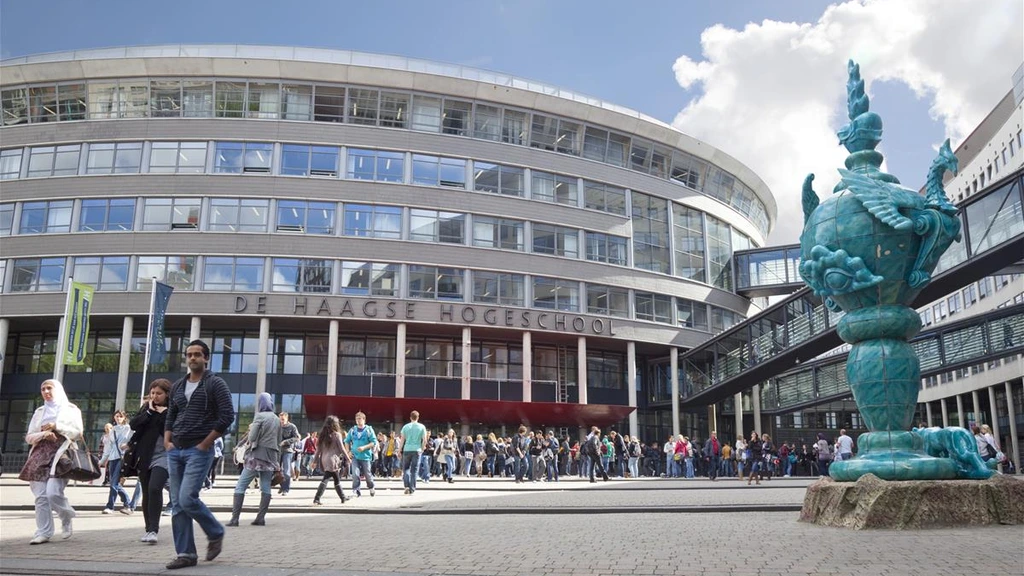
Faculty members at the Haagse Hogeschool (The Hague University of Applied Sciences) have raised alarms regarding a toxic work culture characterized by intimidation, harassment, and abuse of power. Over the past two years, more than one hundred reports have been filed with the school's Ombudsman. The significant volume of complaints prompted the Dutch Labor Inspectorate (Arbeidsinspectie) to launch an investigation into the working conditions last year. Concerned employees, including a group of anonymous teachers, have described a climate where vulnerable staff, particularly older and international colleagues, face explicit pressure at all organizational levels. This has led to a pervasive culture of fear, with employees hesitant to voice concerns to direct supervisors due to fear of reprisal, a phenomenon described as a 'boomerang culture'.
The Haagse Hogeschool, which employs approximately 2,000 full-time equivalents, has confirmed the Labor Inspectorate's investigation, acknowledging the need for a more thorough examination of internal misconduct risks. The school's Ombudsman, Anita Regout, noted in her 2024 annual report that she had encountered many distressed individuals who are passionate about their work and students but are subjected to new, unfamiliar, and sometimes intimidating or harassing management. The Labor Inspectorate's report identified structural issues concerning workload, recovery, social safety, and management. In response, the university has engaged an external agency to facilitate cultural change, focusing on social safety, workload reduction, and improved managerial coherence. A new employee satisfaction survey is planned for the autumn, and union representatives acknowledge a growing openness and transparency from the institution in addressing these problems.
The reported issues at Haagse Hogeschool highlight systemic challenges in organizational governance and employee well-being, particularly within educational institutions. The described 'toxic culture,' intimidation, and fear of reprisal suggest potential failures in leadership accountability and the implementation of robust grievance mechanisms. As AI integration accelerates, the imperative for transparent, equitable, and psychologically safe work environments becomes even more critical. Institutions must proactively address these cultural deficits, not only to comply with regulatory expectations but to foster innovation and retain talent in an increasingly competitive global landscape. The focus on structural improvements and external consultation indicates an awareness of the problem, but sustained commitment to cultural transformation, beyond procedural changes, will be key to long-term success and resilience.
AI-generated to prompt reflection — not editorial opinion, not advice, not a statement of fact. How this works.