Haaland and Bellingham's Hug Goes Viral at World Cup
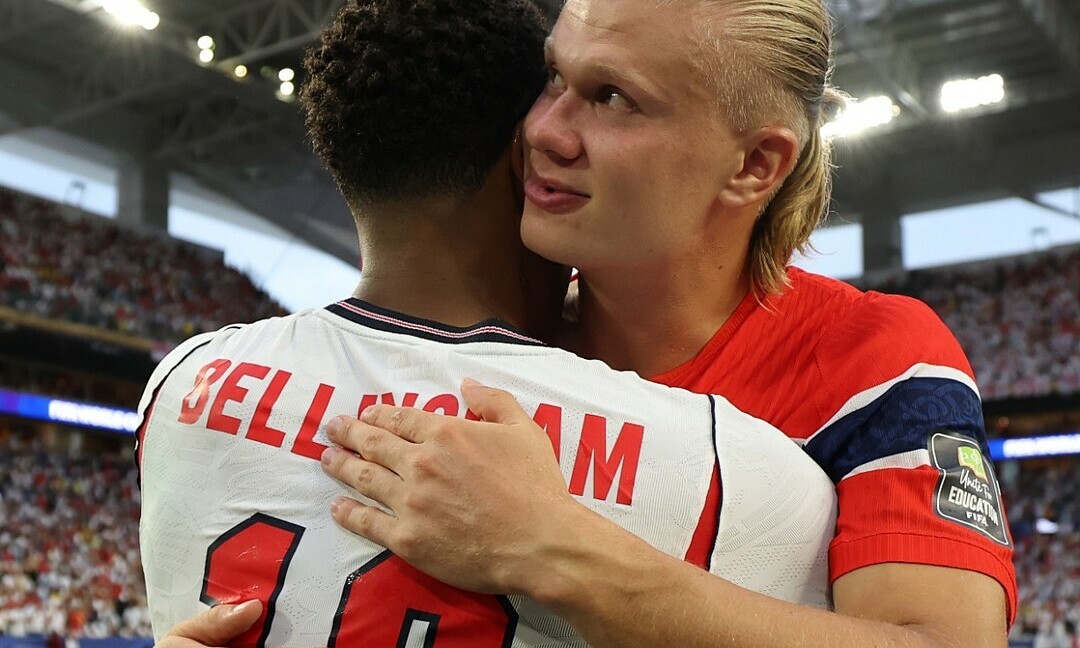
Former teammates Erling Haaland and Jude Bellingham have once again shown their close bond with a gesture on the field during the 2026 World Cup quarterfinals. The interaction between the two players, who previously played together, has become a talking point and garnered significant attention online. Their continued camaraderie highlights a positive personal relationship despite their professional careers taking them to different clubs and leagues. This moment underscores the lasting friendships that can form within the competitive world of professional football. The hug served as a heartwarming display for fans watching the high-stakes match. It provided a brief, personal moment amidst the intensity of a World Cup quarterfinal game. The public's reaction indicates a strong interest in the personal lives and relationships of star athletes. This event has sparked discussions about sportsmanship and the human connections within elite sports.
The public's fascination with the personal interactions of high-profile athletes like Erling Haaland and Jude Bellingham reflects a broader societal trend of seeking relatable narratives within the often-impersonal world of professional sports. While such moments can foster goodwill and humanize athletes, they also present a delicate balance for players navigating intense competition and global scrutiny. The visibility of these interactions, amplified by social media, can influence fan perception and brand endorsements, creating incentives for displays of camaraderie. From a systems perspective, the media's focus on these personal connections, while seemingly benign, can sometimes overshadow critical discussions about team performance, tactical strategies, or the long-term development of players within their respective club structures. Understanding these dynamics is key to appreciating how personal relationships intersect with the commercial and competitive imperatives of modern professional football.
AI-generated to prompt reflection — not editorial opinion, not advice, not a statement of fact. How this works.