Haaland's extreme diet: 6,000 calories, raw liver, and science's take
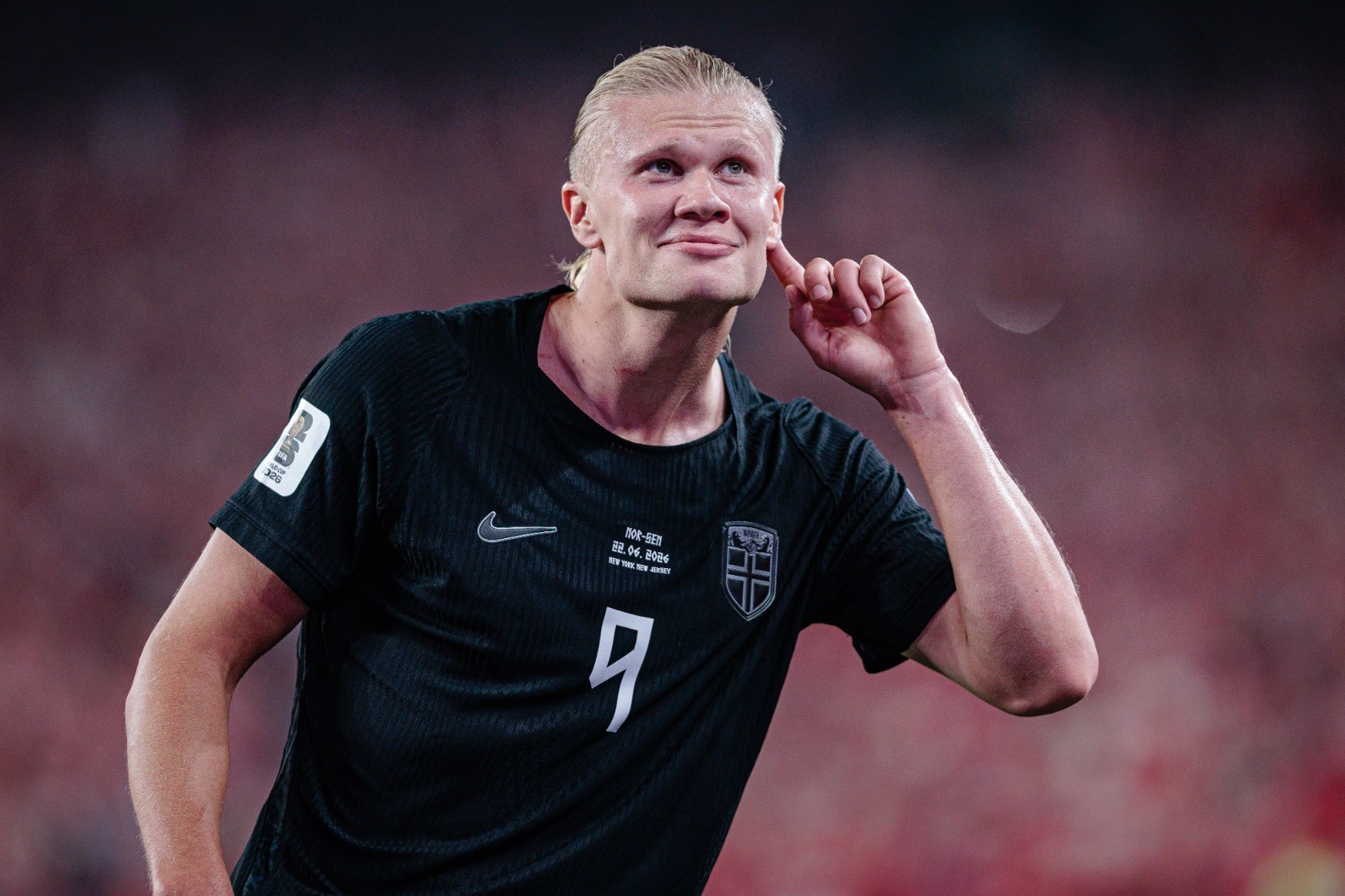
Norwegian footballer Erling Haaland consumes approximately 6,000 calories daily, nearly triple the intake of a sedentary adult, fueling his elite performance. His diet includes nutrient-dense foods like beef liver and heart, alongside raw milk, and is supported by strict sleep hygiene practices such as mouth taping and blue-light blocking glasses. Haaland emphasizes "local" foods and avoids ultra-processed items, a philosophy detailed in the documentary "Haaland: The Big Decision." Experts consulted by g1 explain that such a high caloric intake is necessary for athletes like Haaland due to intense training, high muscle mass, and recovery demands, which significantly elevate energy expenditure. This level of consumption helps maintain muscle mass, optimize recovery, control inflammation, and support the immune system, preventing the body from breaking down muscle for energy. Beef liver and heart are rich in essential nutrients like high-quality protein, iron, zinc, selenium, B vitamins (especially B12), and vitamin A, with heart also providing coenzyme Q10. However, excessive consumption of liver can lead to vitamin A toxicity and iron overload in susceptible individuals, suggesting moderate, weekly intake rather than daily. While concerns about cholesterol in organ meats are often overstated for healthy individuals, those with pre-existing high cholesterol should exercise caution. Lean meats, fish, and eggs can provide similar protein benefits in a balanced diet. The use of raw milk is the most contested aspect of his diet, with experts highlighting a lack of robust scientific evidence for nutritional advantages over pasteurized milk and a significant risk of bacterial contamination from pathogens like Salmonella and E. coli. The emphasis on "natural" and "local" foods, while aligning with a preference for minimally processed options, does not independently guarantee enhanced performance; overall dietary adequacy and nutritional periodization are key. Avoiding ultra-processed foods is universally beneficial, removing additives and preservatives. Beyond diet, Haaland's routine includes morning sunlight exposure and minimizing evening light exposure, which align with scientific understanding of circadian rhythm regulation.
Erling Haaland's extreme dietary and lifestyle regimen highlights the specialized physiological demands of elite athletics. While his high caloric intake and consumption of nutrient-dense organ meats are tailored to his exceptional energy expenditure and recovery needs, the scientific consensus suggests caution for the general population. The inclusion of raw milk presents a notable public health risk due to potential pathogen contamination, outweighing any unsubstantiated nutritional benefits. The emphasis on "local" and "natural" foods, while promoting whole foods, should not overshadow the fundamental principles of balanced nutrition and individual metabolic requirements. This case underscores the critical distinction between performance optimization for elite athletes and general health recommendations, urging a nuanced approach that prioritizes safety and evidence-based practices for broader application.
AI-generated to prompt reflection — not editorial opinion, not advice, not a statement of fact. How this works.