Haaland's Post-Football Dream: Becoming Norway's Top Farmer
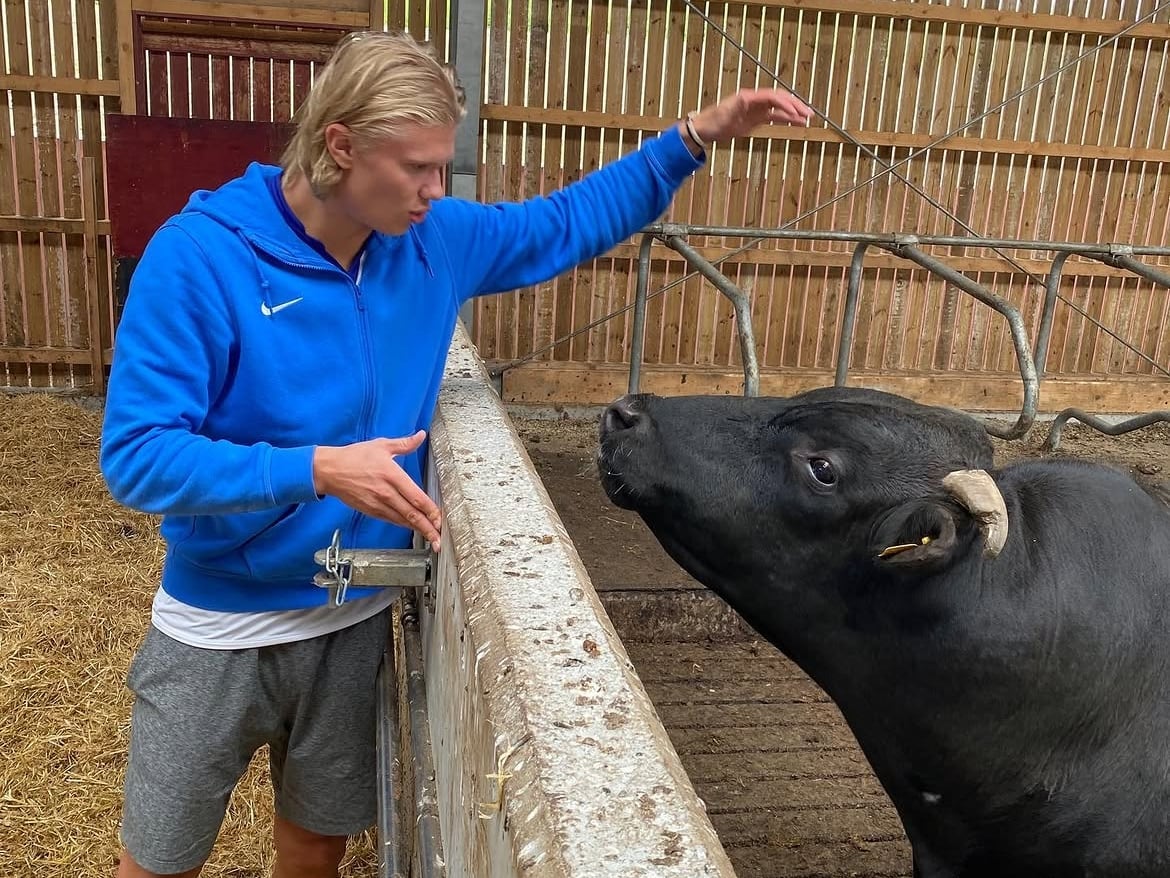
Erling Haaland, the Manchester City striker, is renowned for his football prowess, notably scoring two goals to advance his team to the World Cup quarterfinals. However, beyond the pitch, Haaland harbors a distinct ambition: to become Norway's premier farmer. His aspirations extend to raising livestock and cultivating the land, focusing on agricultural production. This rural dream contrasts sharply with his high-profile career in professional football. Haaland's vision for his post-athletic life involves a deep engagement with the agricultural sector. He aims to excel in this field, mirroring the dedication he shows on the football field. This pursuit highlights a desire for a different kind of success, rooted in the land and traditional practices. His commitment to farming suggests a long-term plan that diverges from typical athlete retirement paths.
Erling Haaland's stated ambition to become Norway's top farmer presents an interesting case study in personal aspiration intersecting with elite professional identity. While his football career demands peak physical condition and intense focus, his agricultural dream suggests a desire for a life grounded in tangible production and stewardship of the land. This duality could reflect a broader societal trend where individuals, even those at the pinnacle of success in one field, seek fulfillment in contrasting or complementary domains. From a systems perspective, Haaland's potential future involvement in agriculture, should he pursue it, could bring significant attention and investment to the sector, potentially influencing innovation or consumer perception. However, the transition from elite athlete to successful farmer is complex, requiring a different skill set and significant capital investment. The long-term viability and impact of such a transition will depend on market dynamics, technological adoption in farming, and Haaland's sustained commitment beyond the initial novelty.
AI-generated to prompt reflection — not editorial opinion, not advice, not a statement of fact. How this works.