Habib al-Azami: From Usurer to Sufi Saint
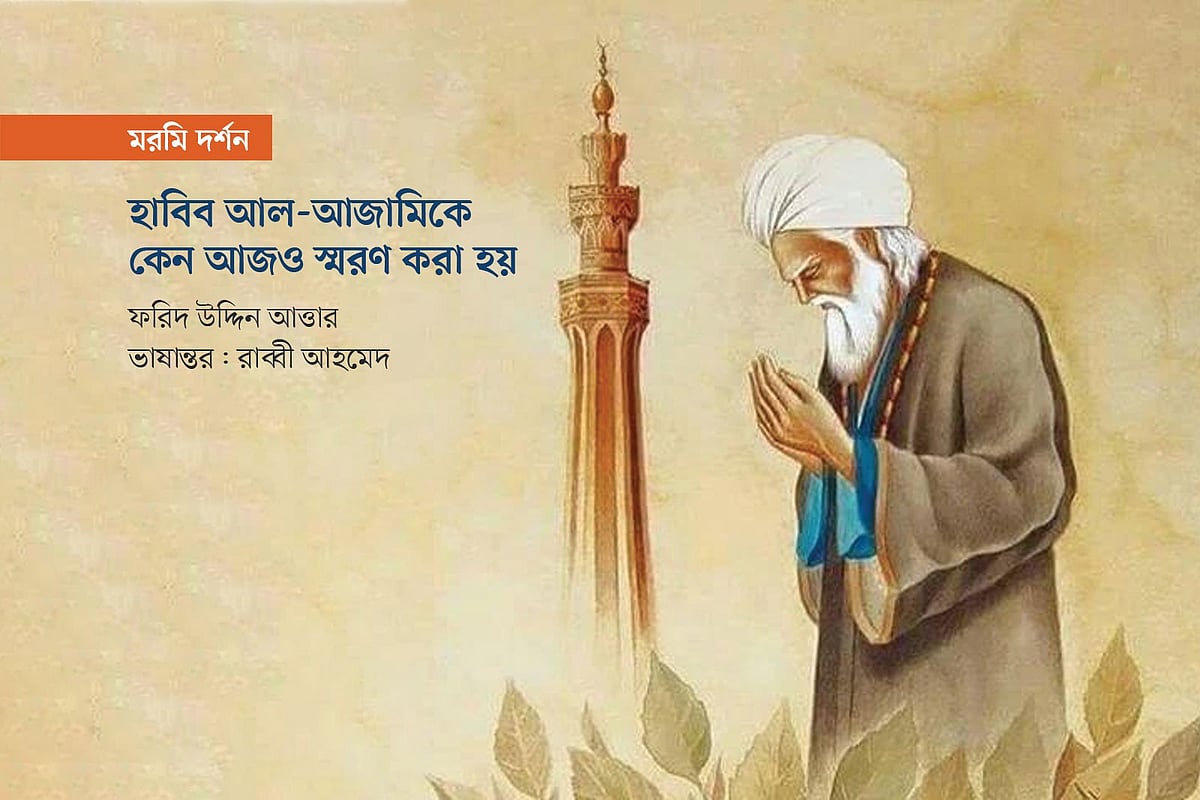
Habib al-Azami, born in Persia and later settling in Basra, Iraq, is remembered as a prominent Sufi saint and a reliable hadith scholar. Initially a wealthy moneylender, Habib's life took a dramatic turn after witnessing a divine punishment befall a debtor's wife when he demanded usurious compensation. This event, coupled with the taunts of children calling him a "usurer" and the profound impact of Hasan al-Basri's sermons, led Habib to a deep repentance. He renounced his wealth, distributing all his possessions to the poor until he was completely destitute. He then dedicated himself to worship and studied under Hasan al-Basri, though he struggled with Arabic pronunciation, earning him the name "Azami," meaning non-Arab or unskilled. Despite his poverty and his wife's complaints, Habib remained devoted to his spiritual path, trusting in divine provision. Miraculously, his sustenance was provided daily by God, often through mysterious means, reinforcing his faith and commitment. One notable instance involved a young man delivering provisions and a sum of money, conveying a message to increase his efforts for a higher reward. Habib's spiritual stature grew, and he became known for his miracles, such as interceding for an elderly woman whose son had been absent for a long time. Following Habib's prayers and the woman's act of charity, her son was miraculously returned to her.
The narrative of Habib al-Azami's transformation from a usurer to a revered Sufi saint highlights a powerful theme of redemption and spiritual awakening. The story emphasizes the transformative potential of divine intervention and personal repentance, suggesting that societal judgment and individual moral choices can lead to profound life changes. From a systems perspective, Habib's journey illustrates the tension between material wealth accumulation and spiritual fulfillment. His eventual renunciation of all possessions underscores a critique of exploitative economic practices and a prioritization of divine service over worldly gain. In the context of the AI era, where automation and digital economies may further exacerbate wealth disparities, Habib's story serves as a timeless reminder of the enduring human capacity for ethical reorientation and the pursuit of meaning beyond material success. It prompts reflection on the societal structures that enable or hinder such transformations and the role of faith and community in supporting individuals through periods of profound personal change.
AI-generated to prompt reflection — not editorial opinion, not advice, not a statement of fact. How this works.