Hacking a Colorimeter to Add Support for RAL Color Codes
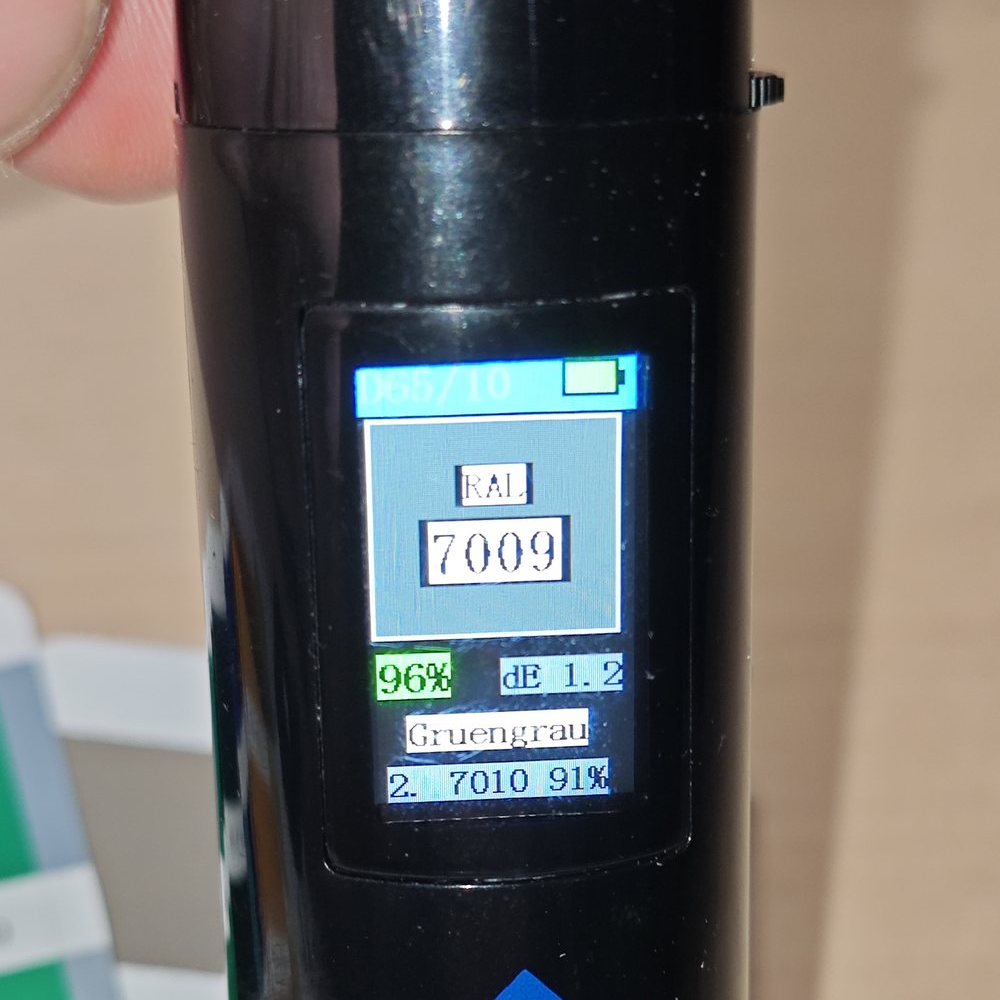
A maker has modified a commercial colorimeter to incorporate support for RAL color codes, a widely used standard in Europe for paint and coatings. The project involved integrating the device with a Raspberry Pi, enabling it to read colors and then cross-reference them against the extensive RAL color database. This hack allows users to accurately identify paint colors and match them to specific RAL codes, which is crucial for professional applications in construction, automotive, and design industries. The original colorimeter, likely designed for general color measurement, lacked the specific functionality to directly output RAL codes. By adding a small computer like the Raspberry Pi, the maker was able to program custom software that handles the complex task of color matching and code retrieval. This DIY approach offers a cost-effective alternative to expensive professional color matching systems. The project highlights the potential for repurposing existing tools with readily available technology to create specialized solutions. It demonstrates how hobbyists and engineers can extend the capabilities of commercial devices to meet niche requirements.
This project exemplifies the trend of democratizing specialized technical capabilities through accessible hardware and software. By integrating a Raspberry Pi with a commercial colorimeter, the maker has effectively created a more versatile and potentially more affordable tool for color matching. This approach highlights the growing synergy between off-the-shelf components and custom programming, enabling users to tailor devices to specific industry standards like RAL codes. Such innovations can challenge established markets for professional equipment by offering comparable functionality at a lower price point, potentially driving down costs across related sectors. Furthermore, it underscores the importance of open-source collaboration and maker culture in pushing the boundaries of what is possible with existing technology, fostering a more adaptable and user-centric ecosystem.
AI-generated to prompt reflection — not editorial opinion, not advice, not a statement of fact. How this works.