Haddad Criticizes São Paulo University Budget Cuts, Proposes Tax Revenue Link
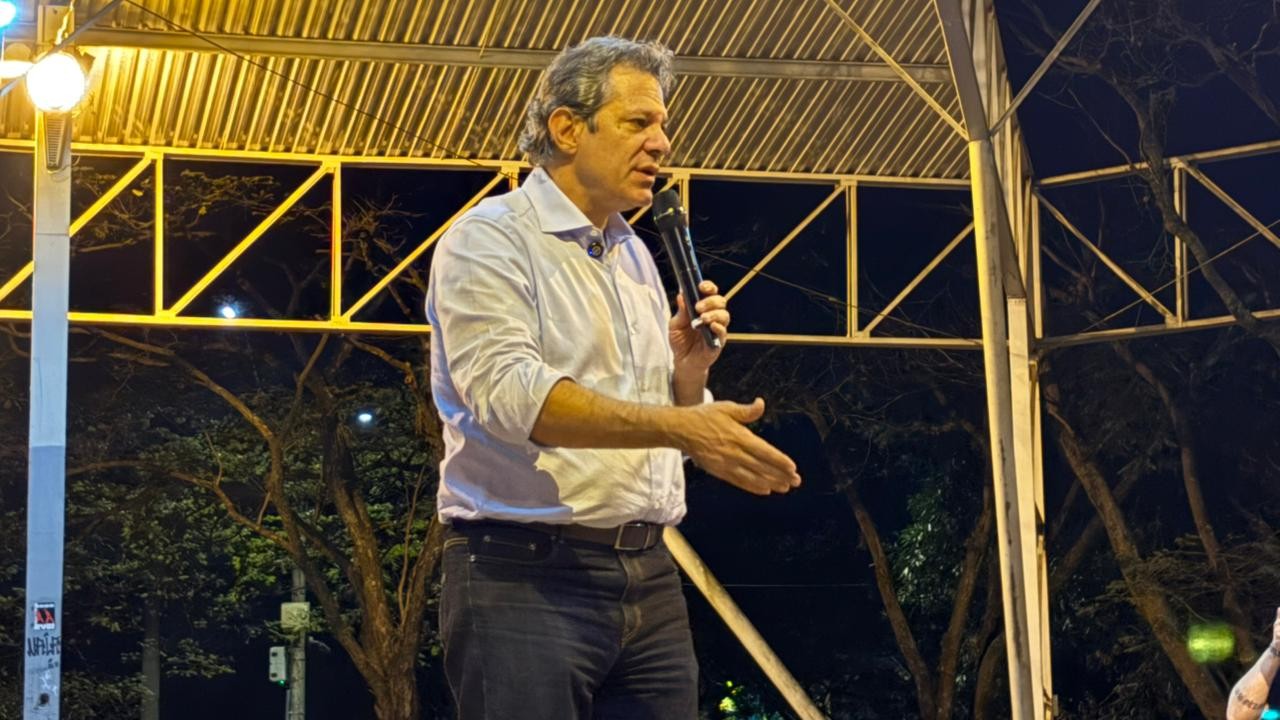
Fernando Haddad, a pre-candidate for governor of São Paulo under the PT party, has strongly criticized a state constitutional amendment proposal (PEC) that reduces funding for universities and education in São Paulo. The PEC, authored by Governor Tarcísio de Freitas, was approved in November 2024 by the Legislative Assembly of São Paulo (Alesp). This measure lowers the mandatory state investment in education from 30% to 25% of revenue, diverting some funds to healthcare. Haddad expressed concern over the financial insecurity for state universities, highlighting the reduction in the education funding mandate. He also voiced apprehension regarding a decree that sets a minimum transfer of the Tax on Circulation of Goods and Services (ICMS) to the University of São Paulo (USP), the University of Campinas (Unicamp), and the São Paulo State University (Unesp). Haddad proposed that university funding be tied to net tax revenue, which includes ICMS, IPVA, and other taxes, a proposal he stated would be reiterated in the 2026 platform. During the same event at Unicamp, Haddad also addressed public security, warning of the "militia-ization" of the sector due to the state's perceived inability to guarantee citizen safety and urged progressives to actively engage in developing public security solutions. The event itself was marked by a physical altercation between attendees and members of the Free Brazil Movement (MBL), leading to the removal of the protesters.
The proposed reduction in mandatory education funding in São Paulo, shifting from 30% to 25% of revenue, raises questions about the state's long-term commitment to higher education and its systemic implications for research and development. Tying university funding to net tax revenue, as suggested by Haddad, could offer greater stability than reliance on specific tax percentages or decrees, which are subject to executive change. This approach aligns with principles of fiscal predictability but also introduces the challenge of managing potential revenue fluctuations. Furthermore, Haddad's commentary on the "militia-ization" of public security points to a broader societal concern about the privatization of state functions and the potential for unregulated private security forces to emerge when public services are perceived as inadequate. This dynamic may reflect underlying governance issues and the need for robust public policy frameworks to ensure both educational quality and public safety.
AI-generated to prompt reflection — not editorial opinion, not advice, not a statement of fact. How this works.