Hailstorm and Gale Damage Municipal Lab in Salto da Divisa, Brazil
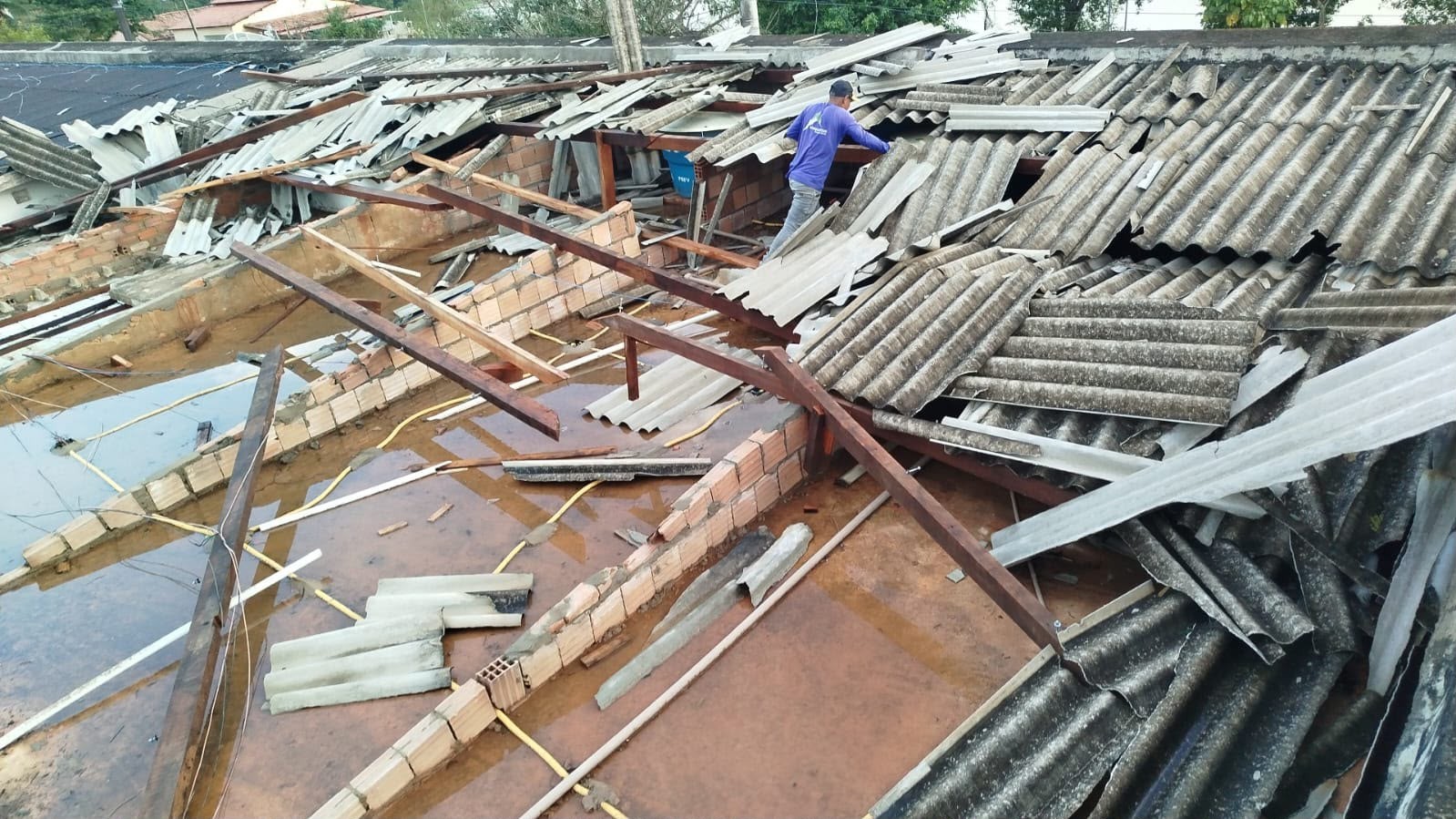
A severe hailstorm and gale struck Salto da Divisa, in Brazil's Jequitinhonha Valley, on Monday afternoon, causing significant damage across the city. The unusual storm, lasting less than 20 minutes, resulted in damaged properties and the temporary closure of the Municipal Laboratory. The municipal government reported that the laboratory's roof was completely torn off by the strong winds, damaging essential equipment and rendering the facility unsafe for staff and patients. Consequently, all services at the lab have been suspended. For urgent needs, residents are advised to seek assistance at the Municipal Hospital. Technical teams are working to repair the lab and resume services as quickly as possible, though no specific timeline has been provided. Despite the extensive material damage, the municipality confirmed that there were no reported fatalities, injuries, or displaced residents. The storm's intensity was characterized by strong winds and hail, rather than a high volume of rainfall. The Salto da Divisa Prefecture is monitoring the situation, providing support to affected areas, and is committed to restoring normal services and mitigating the storm's impact.
This event highlights the vulnerability of municipal infrastructure to extreme weather phenomena, exacerbated by climate shifts that increase the frequency and intensity of such events. The rapid damage to the Municipal Laboratory, including the destruction of its roof and equipment, underscores the need for resilient infrastructure planning, especially in regions prone to severe weather. The swift response of the local government in suspending operations for safety and directing patients to the hospital demonstrates effective emergency management. However, the incident also points to systemic challenges in ensuring consistent service delivery when critical facilities are compromised. Future planning should consider enhanced building codes and contingency measures to minimize disruption and ensure continuity of essential public health services in the face of an increasingly unpredictable climate, focusing on long-term adaptation strategies rather than solely reactive repairs.
AI-generated to prompt reflection — not editorial opinion, not advice, not a statement of fact. How this works.