Hailstorm Damages 500 Homes in Santo Antônio das Missões, RS, in Under 5 Minutes
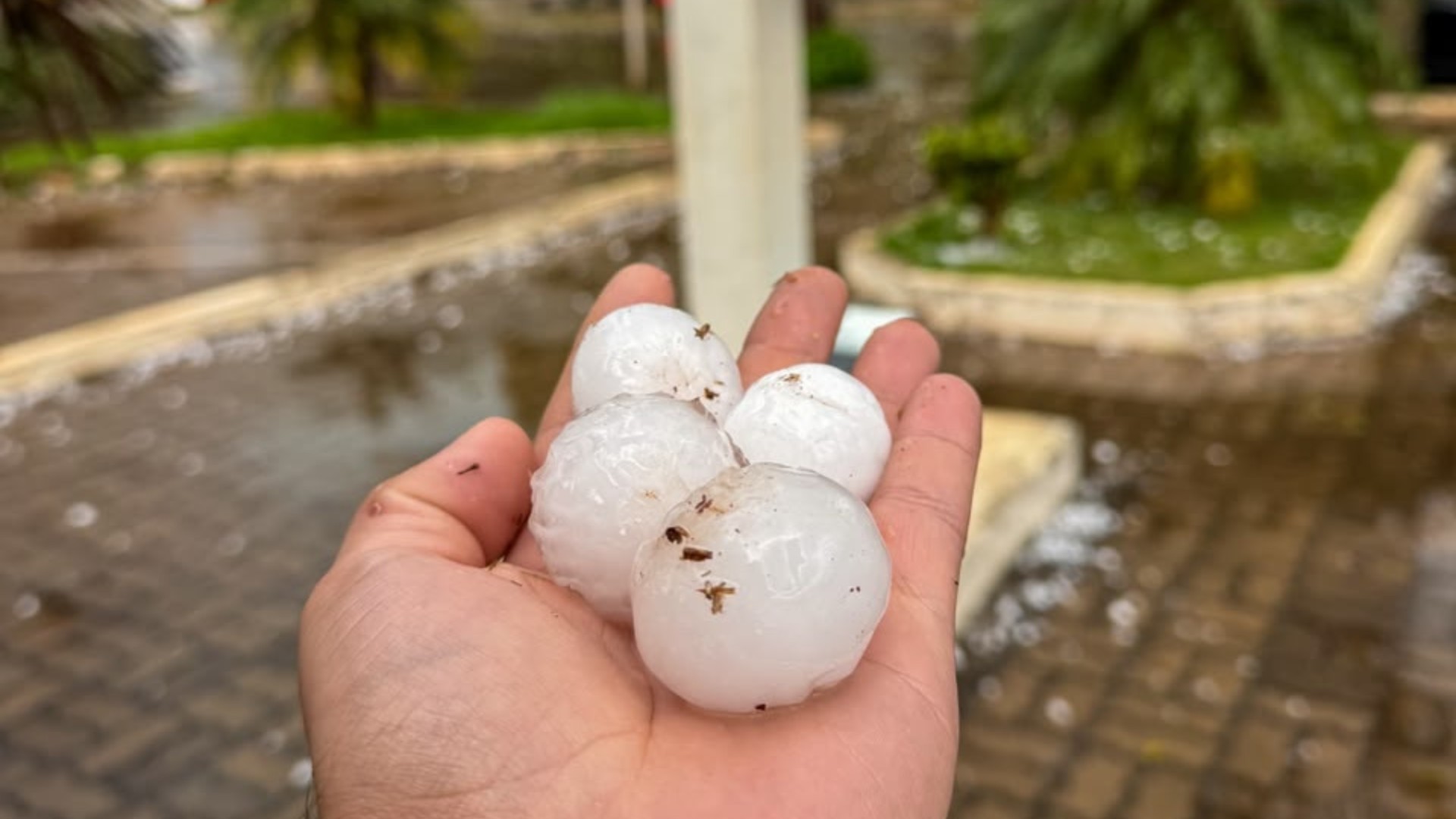
A severe hailstorm struck Santo Antônio das Missões in Rio Grande do Sul's Northwest region on Monday afternoon, May 27th. The intense storm, lasting less than five minutes, caused significant damage across the city. Preliminary assessments by the Civil Defense indicate that approximately 500 homes sustained damage, with the São Jorge and Jardim dos Pampas neighborhoods being among the most affected areas. Regional Civil Defense teams are currently assessing the full extent of the damages and providing assistance to the affected families. Fortunately, no injuries were reported as of the latest update. Firefighters from São Luiz Gonzaga were also deployed to help distribute tarpaulins to residents whose homes were damaged by the hail. The state of Rio Grande do Sul is anticipating a continuation of severe weather, including storms, heavy rainfall, and the risk of floods throughout the week. The National Institute of Meteorology (Inmet) has issued a red alert for extreme danger, effective until Tuesday, May 28th at 11:59 PM, warning of winds up to 100 km/h and rainfall exceeding 60 mm per hour or 100 mm per day. This alert highlights a significant risk of flooding, river overflows, and landslides in various regions, including the Southwest, Central-West, Northwest, Southeast, Central-East, Northeast, and the Porto Alegre Metropolitan area.
This event highlights the increasing vulnerability of urban and suburban infrastructure to extreme weather phenomena, exacerbated by climate change. The rapid onset and short duration of the hailstorm, yet significant scale of damage to 500 homes, underscore the need for more resilient building codes and urban planning that accounts for severe, localized weather events. The subsequent broader weather alert for Rio Grande do Sul suggests a systemic pattern of increased meteorological instability, posing ongoing risks of floods and landslides. Future preparedness strategies should focus on early warning systems, community evacuation plans, and infrastructure reinforcement to mitigate the economic and social impacts of such events, especially in densely populated areas.
AI-generated to prompt reflection — not editorial opinion, not advice, not a statement of fact. How this works.