Hailstorm Damages Homes and Disrupts Services in Guariba, SP
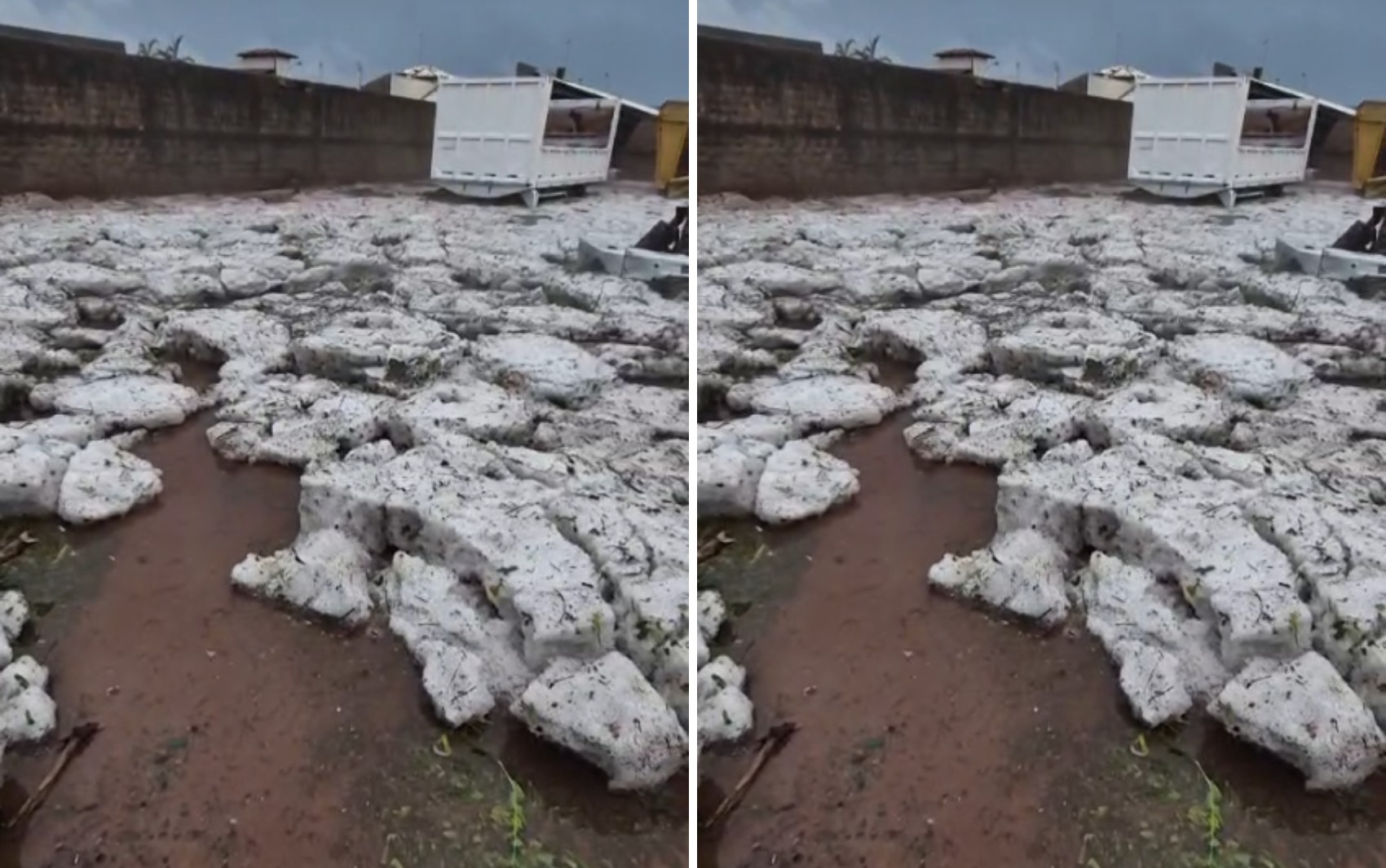
A severe hailstorm struck Guariba, São Paulo, early Friday morning (24th), causing significant damage to homes and frightening residents. Hailstones reportedly broke through roofs, and heavy rain led to flooding inside residences, destroying furniture and belongings. One resident, Sidinha Vieira, described the terrifying experience, stating, "The feeling was that the house was going to fall on our heads." Her home was inundated, rendering mattresses and sofas soaked, and damaging her kitchen and a storage room. The storm, accompanied by winds estimated at 70 km/h, lasted about 30 minutes and caused widespread disruption. The local government has not yet released an official damage assessment, but the Fire Department and Civil Defense are actively working in the affected areas. No injuries or displacements have been officially reported.
The storm's impact extended to basic services, leaving residents without electricity, water, internet, and telephone signals in Guariba and surrounding areas, including Dumont, Barrinha, Santa Ernestina, Sertãozinho, and Taquaritinga. In nearby Ribeirão Preto, the severe weather resulted in the tragic death of an 82-year-old man whose house was hit by a collapsing structure from an adjacent property. The Ribeirão Preto mayor declared a 180-day state of emergency and established a crisis cabinet. Over 250 tree falls were reported by the Fire Department, leading to road closures, including on the Bandeirantes highway. The storm also affected hospital operations and led to the cancellation of municipal school classes.
This severe weather event highlights the increasing vulnerability of urban and rural infrastructure to extreme meteorological phenomena, potentially exacerbated by climate change. The extensive damage to homes and disruption of essential services underscore the need for enhanced disaster preparedness and resilient infrastructure planning. The official response, involving emergency declarations and deployment of rescue services, is crucial, but the long-term challenge lies in mitigating future risks through improved building codes, urban planning that accounts for climate variability, and robust early warning systems. The economic and social costs of such events necessitate a proactive approach to climate adaptation, balancing immediate recovery with strategic investments in resilience for the coming decade.
AI-generated to prompt reflection — not editorial opinion, not advice, not a statement of fact. How this works.