Hair Transplant Pain Management: Anesthesia and Sedation Protocols Explained
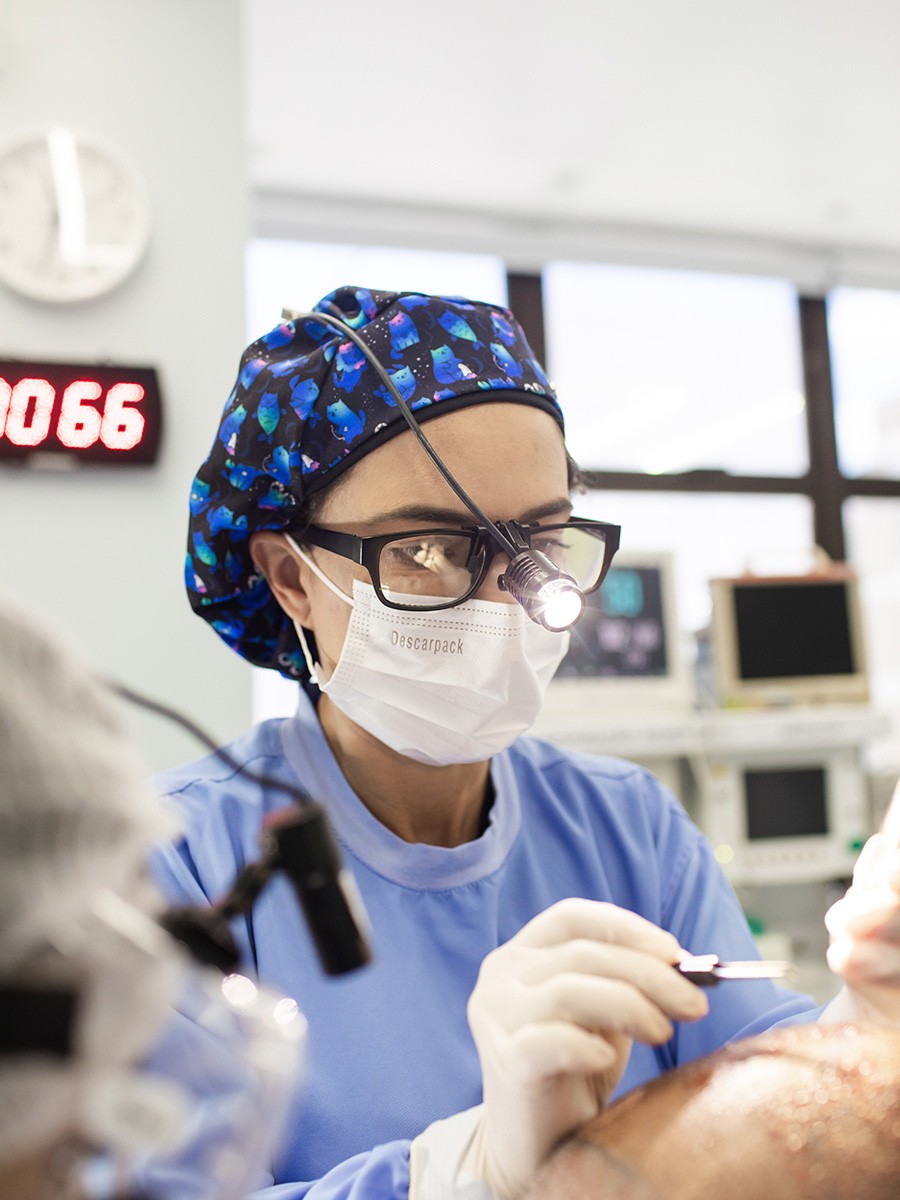
A hair transplant procedure, while potentially lengthy and involving extensive scalp areas, can be made comfortable and safe through specialized medical protocols. A common concern among prospective patients is the potential for pain during the surgery. However, modern techniques combine local anesthesia with continuous intravenous sedation, ensuring adequate pain control and patient relaxation throughout the procedure. This approach involves a dedicated medical team, including an anesthesiologist, to continuously monitor vital signs and adjust medication as needed.
The surgery itself entails harvesting follicular units from a donor area, typically the back or sides of the head, and implanting them into areas with thinning or absent hair. The duration varies based on the number of follicles and individual patient factors. To manage discomfort, local anesthesia is administered to block sensation in the extraction and implantation sites, while sedation helps reduce anxiety and promotes relaxation. Continuous intravenous sedation functions akin to an autopilot system, maintaining a stable medication level and allowing patients to wake up quickly with minimal recollection of the procedure.
While post-operative sensitivity, pressure, swelling, or discomfort can occur in the donor and recipient areas, these symptoms are generally manageable with prescribed medications and post-operative care instructions. Patients are advised to inquire about the anesthesia and sedation protocols, the monitoring of vital signs, the surgical facility, and the recovery process when choosing a clinic to ensure a well-informed decision. The responsible technician for this information is Dra. Leonora Mansur, CRM-MG 38734 | RQE 27802.
The article addresses patient apprehension regarding pain during hair transplant surgery by detailing current anesthesia and sedation practices. It emphasizes that advanced protocols, including continuous intravenous sedation and vigilant monitoring by an anesthesiologist, significantly mitigate discomfort and enhance safety. This approach not only improves the patient experience but also contributes to surgical precision by ensuring patient immobility. Prospective patients are encouraged to seek detailed information on these protocols to make informed choices. The focus on patient comfort and safety through medical technology highlights a broader trend in elective procedures, where minimizing patient distress is a key differentiator and a driver of service quality, reflecting evolving patient expectations in the healthcare sector.
AI-generated to prompt reflection — not editorial opinion, not advice, not a statement of fact. How this works.