Hair Transplant Surgeon Debunks 5 Myths About Regrowing Hair on Bald Scalps
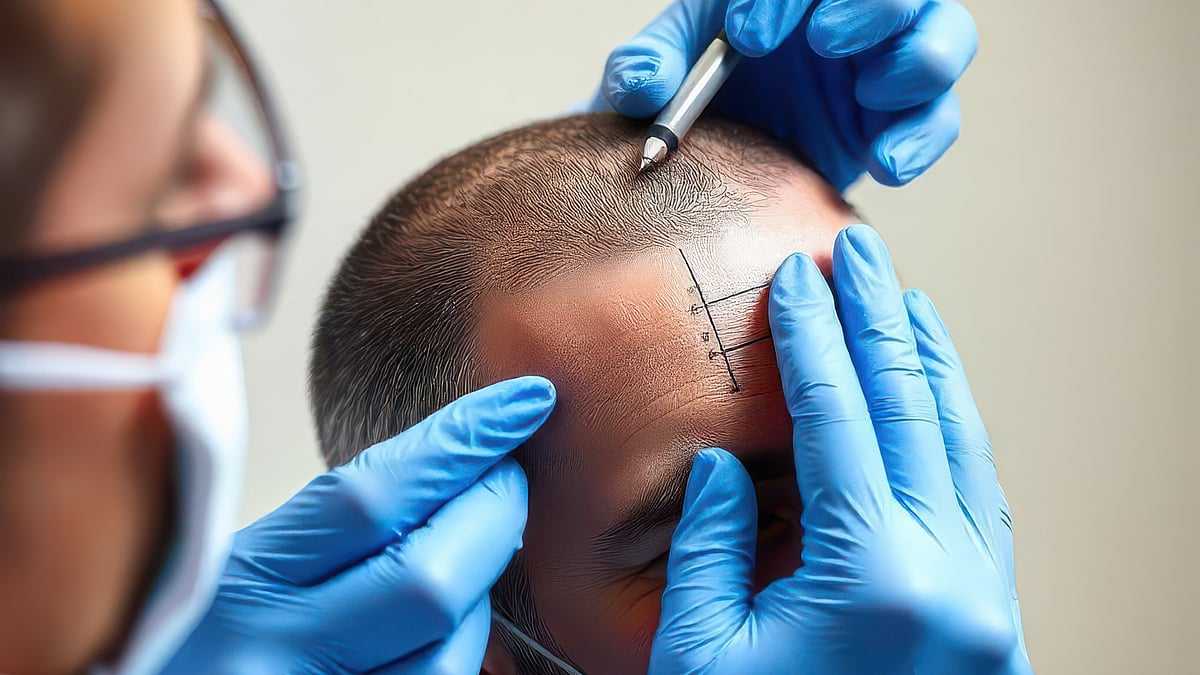
A hair transplant surgeon has addressed common misconceptions surrounding hair transplantation, a popular procedure for addressing baldness. Contrary to popular belief, hair transplantation does not create new hair follicles. Instead, it involves harvesting healthy hair roots from the back or sides of the scalp and transplanting them to bald areas, effectively relocating existing hair. While transplanted hair is generally long-lasting, natural hair on other parts of the head can still fall out, potentially necessitating ongoing medical treatment or medication as advised by a doctor. Patients should not expect immediate results after surgery; it typically takes several months for the full effects of the transplanted hair to become apparent. Therefore, patience and adherence to the surgeon's instructions are crucial for optimal outcomes. Not all individuals experiencing hair loss are suitable candidates for transplantation. Factors such as age, the cause of hair loss, the condition of the donor area, and overall health must be assessed by a specialist. Furthermore, hair transplantation is not merely a cosmetic procedure. For many, significant hair loss can lead to a decline in self-confidence, impacting their social and professional lives. The procedure can restore mental well-being and boost self-assurance. The surgeon advises consulting a specialist rather than relying on social media information to make informed decisions and avoid unrealistic expectations or unnecessary fears.
This information clarifies that hair transplantation is a surgical relocation of existing hair follicles, not the generation of new hair. It highlights that while the transplanted hair is resilient, natural hair loss can continue, underscoring the need for potential ongoing medical management. The summary emphasizes that patient outcomes require time and adherence to medical advice, and suitability depends on individual health factors beyond mere baldness. The analysis debunks the notion of hair transplantation as purely cosmetic, recognizing its significant impact on psychological well-being and social confidence. It implicitly suggests that a holistic approach, combining surgical intervention with continuous care and realistic expectations, is paramount for addressing hair loss effectively.
AI-generated to prompt reflection — not editorial opinion, not advice, not a statement of fact. How this works.