Haiti Faces Job Losses as US Trade Preferences HOPE/HELP Set to Expire
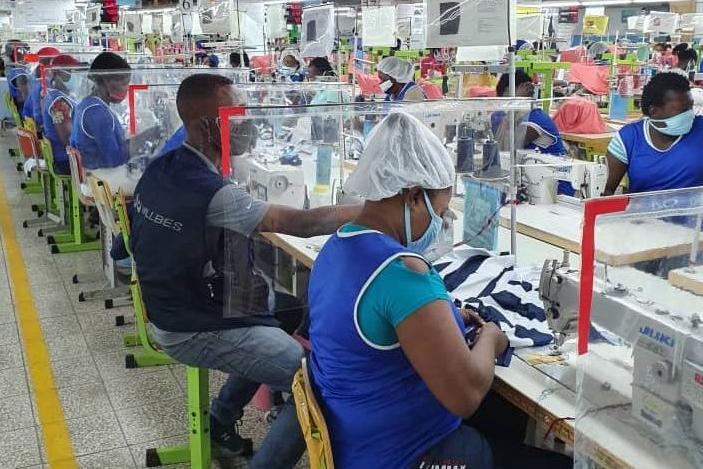
The expiration of the HOPE and HELP trade preference programs between Haiti and the United States is poised to have a significant negative impact on thousands of jobs in Haiti. These programs, which have facilitated duty-free access for Haitian goods to the U.S. market, are crucial for the country's apparel and manufacturing sectors. Without these preferences, Haitian products will face higher tariffs, making them less competitive against goods from other countries. This could lead to a substantial decline in exports and, consequently, widespread job losses for Haitian workers. The Haitian government and industry representatives have been advocating for an extension of these programs, emphasizing their vital role in economic stability and poverty reduction. The potential cessation of these trade benefits raises serious concerns about Haiti's fragile economy and its ability to attract and retain foreign investment. The uncertainty surrounding the future of these trade agreements adds another layer of challenge to Haiti's ongoing efforts to foster economic development and improve living standards for its population. The impact will likely be felt most acutely in the garment factories, which employ a significant portion of the Haitian workforce.
The impending expiration of the HOPE/HELP trade preferences highlights the inherent vulnerability of economies reliant on preferential trade agreements. While such programs can foster short-term growth and employment, their termination can expose underlying structural weaknesses. The situation underscores the importance of diversifying Haiti's economic base beyond sectors heavily dependent on external trade policies. Future economic strategies might benefit from exploring avenues that build domestic resilience, such as investing in local value chains, promoting entrepreneurship, and developing infrastructure that supports a broader range of industries. This scenario also presents a case study in the complex interplay between geopolitical relationships, trade policy, and sustainable development, suggesting that long-term economic security requires a multifaceted approach that transcends temporary trade advantages.
AI-generated to prompt reflection — not editorial opinion, not advice, not a statement of fact. How this works.