Haiti Government Pauses Payroll Tax Implementation at CODEVI
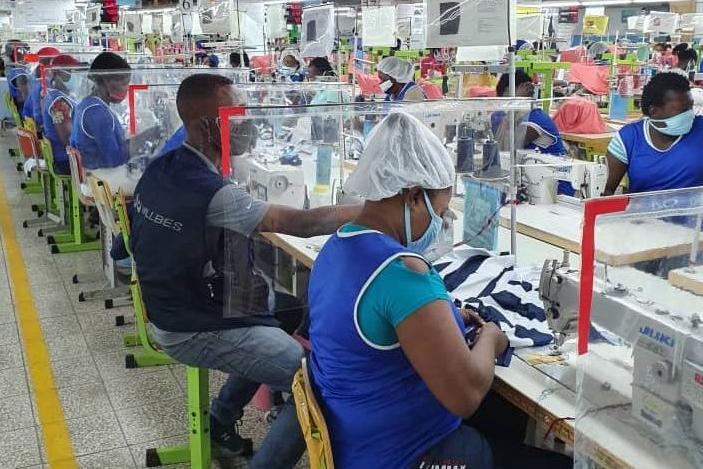
The Haitian government has announced a halt to the implementation of a payroll tax specifically at the CODEVI (Compagnie de Développement Industriel) industrial park. This decision comes after considerable pressure and discussions surrounding the potential economic impact of the tax. CODEVI, a significant manufacturing hub located in Ouanaminthe, employs thousands of workers and plays a crucial role in Haiti's export economy. The payroll tax, intended to generate revenue for public services, had raised concerns among businesses operating within the park regarding competitiveness and potential job losses. Representatives from CODEVI and other business entities had engaged with government officials to express their apprehensions. The government's decision to pause the tax's enforcement indicates a willingness to re-evaluate the policy's scope and implications. Further consultations are expected to take place between the government and the private sector to find a mutually agreeable solution. The ultimate goal is to balance the need for state revenue with the imperative to maintain and grow employment opportunities within Haiti's key industrial zones. The specific details of the revised policy, if any, remain to be seen.
The Haitian government's decision to pause the payroll tax at CODEVI reflects a common tension between fiscal needs and economic development imperatives. Policymakers face the challenge of balancing revenue generation with maintaining a competitive business environment, particularly in export-oriented sectors like apparel manufacturing. The pause suggests an acknowledgment of potential unintended consequences, such as reduced employment or investment, which could undermine broader economic stability. Moving forward, the government and private sector will likely engage in negotiations to explore alternative revenue streams or tax structures that minimize disruption to businesses and labor. This situation highlights the importance of robust impact assessments and stakeholder consultation prior to implementing policies that affect key economic actors, especially in a nation striving for economic growth and job creation.
AI-generated to prompt reflection — not editorial opinion, not advice, not a statement of fact. How this works.