Haiti Launches First Agricultural Technology Baccalaureate Program in Les Cayes
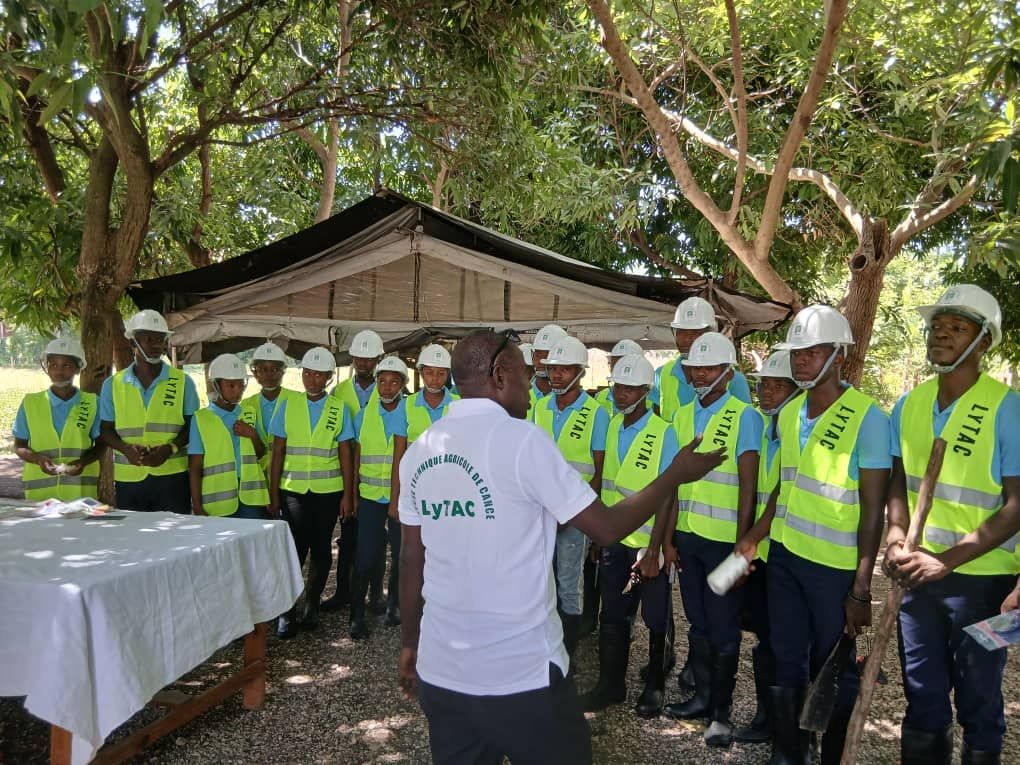
The city of Les Cayes, Haiti, has launched the nation's inaugural baccalaureate program focused on agricultural technology. This significant educational initiative aims to equip students with advanced knowledge and skills in modern agricultural practices. The program is designed to address the specific needs of Haiti's agricultural sector, which is crucial for the country's economy and food security. By integrating technology into agricultural education, the program seeks to foster innovation and improve productivity. Students will likely engage with subjects such as precision farming, crop management, sustainable agriculture, and agricultural data analysis. The establishment of this program represents a forward-thinking approach to developing a skilled workforce capable of modernizing Haiti's farming industry. It is expected to contribute to the overall development and resilience of the agricultural landscape in Haiti, potentially leading to increased yields and better resource management. This educational advancement in Les Cayes is a notable step towards strengthening Haiti's agricultural future.
The introduction of an agricultural technology baccalaureate program in Les Cayes signifies a strategic investment in human capital, aiming to modernize Haiti's vital agricultural sector. By focusing on technological integration, this initiative addresses the imperative for increased efficiency and sustainability in food production, a critical factor for national development and resilience. The program's success will hinge on its ability to bridge the gap between academic learning and practical application, ensuring graduates are equipped to drive innovation. Future challenges may include ensuring access to modern farming equipment and resources for graduates, fostering linkages with the private sector for employment opportunities, and adapting the curriculum to evolving global agricultural technologies. This educational development has the potential to empower local communities and contribute to long-term food security and economic growth.
AI-generated to prompt reflection — not editorial opinion, not advice, not a statement of fact. How this works.