Haiti's Bel-Air: Avoiding a Power Vacuum After Armored Vehicle Deployment
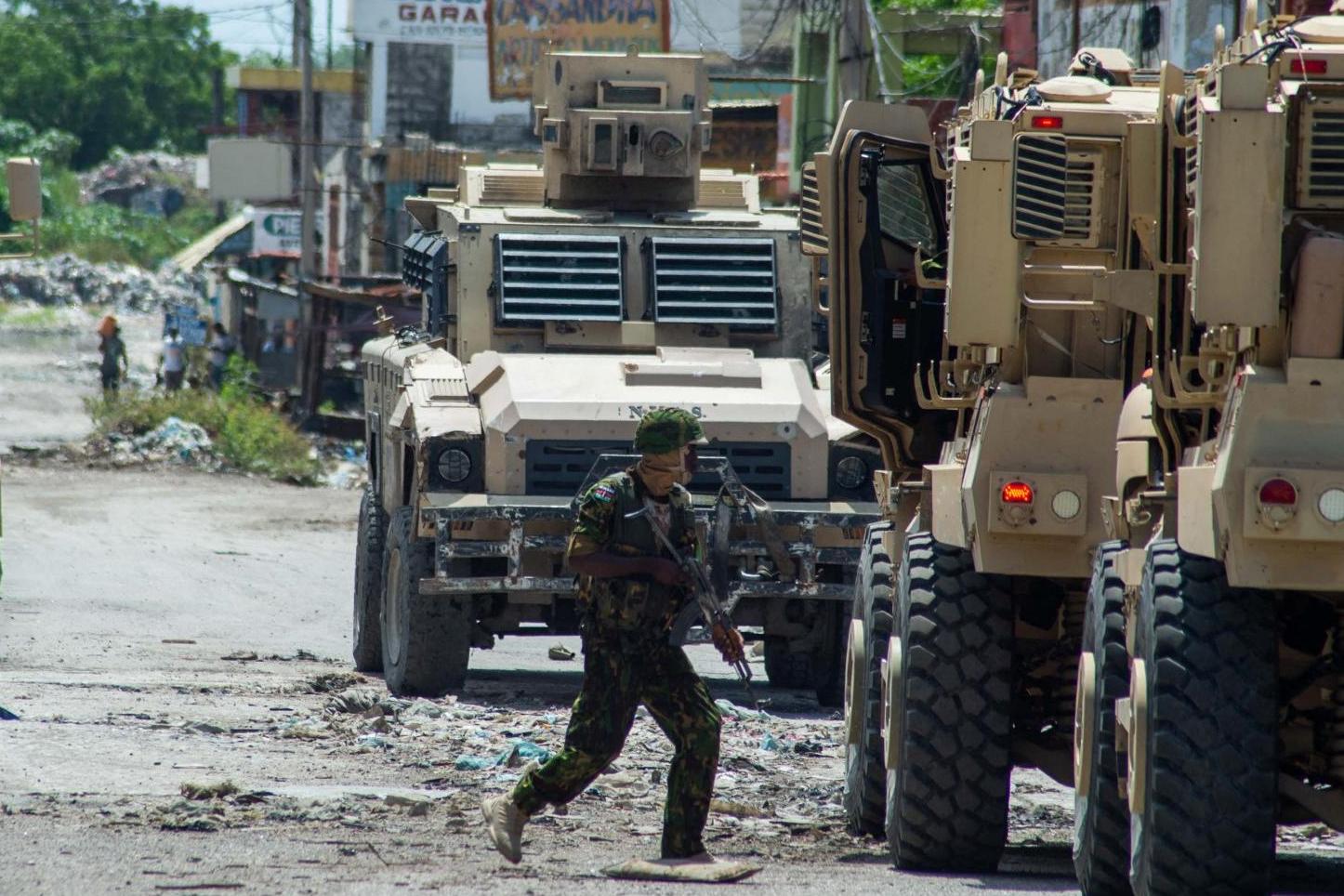
The arrival of armored vehicles in Haiti's Bel-Air neighborhood presents a critical juncture, with the potential to either restore order or create a dangerous power vacuum. Experts warn that simply deploying security forces without a comprehensive strategy for governance and community reintegration could lead to a resurgence of gang violence. The Haitian National Police (PNH) and the Transitional Presidential Council face the challenge of ensuring that this security intervention is not merely a temporary fix but a catalyst for sustainable peace.
Past security operations in Port-au-Prince have often been criticized for their short-term focus, leaving communities vulnerable once the initial pressure subsides. The situation in Bel-Air, a historically gang-controlled area, requires a multi-faceted approach. This includes not only disarming and dismantling criminal networks but also addressing the root causes of insecurity, such as poverty, lack of opportunity, and weak state institutions. Without parallel efforts in economic development, social services, and political stabilization, the gains made by the armored vehicles could be quickly eroded. The international community's role in supporting these long-term solutions is also crucial, moving beyond immediate security assistance to foster genuine institutional capacity building.
The deployment of armored vehicles in Bel-Air signifies a critical inflection point for Haiti's security landscape. The primary challenge lies in transitioning from a reactive security posture to a proactive governance model. A purely kinetic approach risks creating a vacuum that could be exploited by other illicit actors or lead to a resurgence of the very violence it seeks to quell. Sustainable stability hinges on a holistic strategy that integrates security sector reform with robust socio-economic development and inclusive political processes. The long-term efficacy will depend on the Transitional Presidential Council's ability to foster genuine state legitimacy and address the underlying drivers of instability, rather than relying solely on external security interventions. The international community's commitment must evolve to support these complex, systemic changes over the next decade.
AI-generated to prompt reflection — not editorial opinion, not advice, not a statement of fact. How this works.