Haiti's Medical Residency Programs Face Uncertain Future
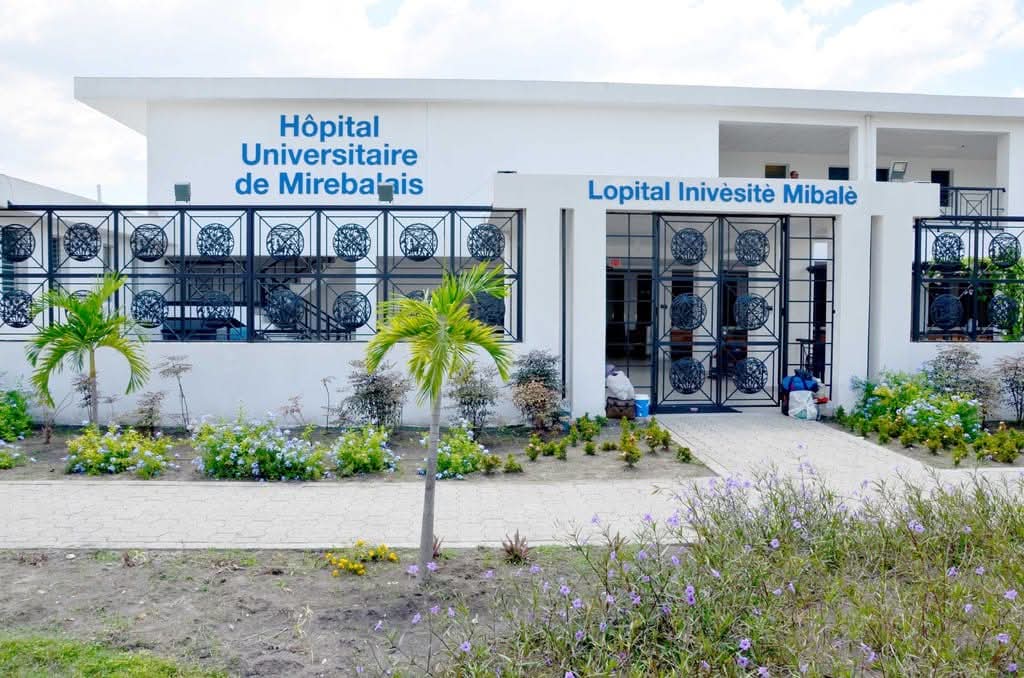
The future of medical residency programs in Haiti is currently uncertain, raising significant concerns about the country's healthcare system. These programs are crucial for training the next generation of Haitian doctors and specialists, ensuring a continued supply of qualified medical professionals to serve the population. The current instability and lack of resources pose significant challenges to the continuation and quality of this essential medical education. Without robust residency programs, Haiti risks a severe shortage of doctors, particularly in specialized fields, which would further strain an already overburdened healthcare infrastructure. This situation demands urgent attention and strategic planning to safeguard the future of medical training and healthcare delivery in the nation. The long-term implications for public health are profound, potentially impacting life expectancy and the management of chronic and acute diseases across the country.
The precarious state of Haiti's medical residency programs highlights systemic challenges in healthcare infrastructure development and human capital retention. The nation's ability to cultivate and retain skilled medical professionals is directly linked to its capacity to address public health crises and improve overall well-being. Future planning must consider sustainable funding models, security enhancements for educational institutions, and opportunities for continued professional development within Haiti to mitigate brain drain. Addressing these foundational issues is critical for building a resilient healthcare system capable of meeting the population's needs over the next decade and beyond, especially in the context of evolving global health dynamics and technological advancements.
AI-generated to prompt reflection — not editorial opinion, not advice, not a statement of fact. How this works.